Fortgeschrittenen-Symposium

Course description

Das Fortgeschrittenen-Symposium richtet sich an fortgeschrittene Anwender, die Neurofeedback gezielter einsetzen und die Möglichkeiten der Cygnet® Neurofeedback Software voll nutzen möchten. Sie erhalten umfassende Informationen über aktuelle Behandlungsprotokolle und vertiefen anhand zahlreicher Übungen und praktischer Beispiele Ihr Neurofeedback-Wissen. Zudem erhalten Sie einen praktisch orientierten Einblick in angrenzende Verfahren wie Biofeedback oder QEEG-basierte Hirnfunktionsanalyse, die sich gut mit Neurofeedback kombinieren lassen. Vorträge für alle Teilnehmer wechseln sich mit Workshops zu ausgewählten Themen ab. Darüber hinaus gibt es fachspezifische Kleingruppendiskussionen zum Austausch unter Kollegen sowie die Möglichkeit zur Selbsterfahrung unter Betreuung erfahrener Dozenten. So können Sie Ihre Fortbildung individuell gestalten und profitieren zugleich vom engen Austausch mit Dozenten und Kollegen.


Essential teaching content

  • Vorstellen erweiterter Softwareeinstellungen und Vertiefung des technischen Verständnisses von Neurofeedback
  • Vertiefung: Neurophysiologische Grundlagen zum ILF-Neurofeedback
  • Optimierung von Trainingsprotokollen für effektivere klinische Arbeit
  • Platzierungen und Frequenzspektrum beim ILF Neurofeedback
  • Integration weiterer Neurofeedback-Anwendungen, z.B. Alpha-Theta / Synchronie-Training
  • Besonderheiten bei der Arbeit mit traumatisierten Patienten
  • Täglich frei wählbare Themen in Kleingruppendiskussionen
  • Täglich wechselnde Workshops zugeschnitten auf die aktuellen Wünsche der Teilnehmer: 2-Kanal ILF HD, Alpha-Theta oder Synchronie-Training
  • Neurofeedback mit VR-Brille
  • Übersicht verschiedener Neurofeedback-Verfahren und Perspektiven
  • Vorstellung von Studien und Projekten im Bereich Neurofeedback
  • Unterstützung bei Fragen rund um Hardware und Software
  • Möglichkeit verschiedene Neuerungen an bereitgestellten Neurofeedback Systemen zu erleben
  • Praxisnahe Vorträge zu angrenzenden Themen

After the course you can

  • Noch routinierter und zielgerichteter mit Neurofeedback arbeiten
  • Trainingsprotokolle weiter optimieren
  • Auftretende Probleme beim Neurofeedback-Training mit Patienten besser verstehen und bewältigen
  • Die unterschiedlichen Neurofeedback-Module ILF HD, Synchronie und Alpha-Theta optimal miteinander kombinieren
  • Die Wirkmechanismen und Technik besser verstehen, erklären und nutzen
  • Das Neurofeedback-Training noch effektiver gestalten und im Rahmen einer multimodalen Therapie einsetzen
  • Neurofeedback auf Basis aktuellster Erkenntnisse anbieten
  • Wichtige Impulse durch den intensiven Austausch mit anderen Therapeuten und Dozenten mit in den klinischen Alltag mitnehmen sowie neueste Erkenntnisse des Neurofeedbacks nach Othmer

Course highlights

  • Intensiver Erfahrungsaustausch mit erfahrenen Dozenten und anderen Teilnehmern 
  • Abwechslungsreiches Live-Format mit Workshops

Location

Kassel - Renthof
Renthof 3
34117 Kassel
Germany

Period of time

14.11.2024 – 16.11.2024
14.11.2024 08:30 – 18:00
15.11.2024 08:30 – 18:00
16.11.2024 08:30 – 16:00
Local time: Europe/Berlin

Your selected time zone

Price

1190 EUR

Included in the price

  • Mittagessen, Verpflegung mit Kaffee, Tee, Wasser sowie Obst und / oder Gebäck in den Pausen
  • Bereitstellung des Neurofeedback-Equipments und von Verbrauchsmaterialien
  • Umfassender Kursordner mit allen Präsentationen und Arbeitsblättern
  • Zertifikat

More Information

Bitte um Anmeldung bis 31.10.2024.
Die Anmeldefrist ist schon vorbei? Kontaktieren Sie uns! Wir finden eine flexible Lösung!

Voraussetzungen:

  • Der Kurs richtet sich exklusiv an heilberufliche und therapeutische Fachanwender.
  • Mit einem absolvierten Grundkurs durch einen von uns akkreditierten Fortbildungsanbieter und mindestens einem Jahr praktischer Neurofeedback-Erfahrung profitieren Sie am meisten vom Symposium.

Gut zu wissen:
Wir haben im Hotel ein Zimmerkontingent für Teilnehmer des Kurses bis zum 02.10.24 hinterlegt. Für die Buchung nehmen Sie bitte selber direkt mit dem Hotel Kontakt auf. Bitte nennen Sie das Stichwort "BEE Medic, GA000687". Die Übernachtungen sind nicht in der Kursgebühr enthalten.

Zur Buchung werden Sie direkt auf die Webseite der BEE Medic GmbH weitergeleitet.


Language

  • German

Organizer

BEE Medic GmbH
Max-Porzig-Str. 1
78224 Singen
Germany

  • courses@beemedic.de
  • Phone: +49 7731 96969-70
register* Print course description *By clicking on "register" you will be forwarded directly to the organizer of the course for booking. The organizer is also responsible for course organisation and invoicing.
 
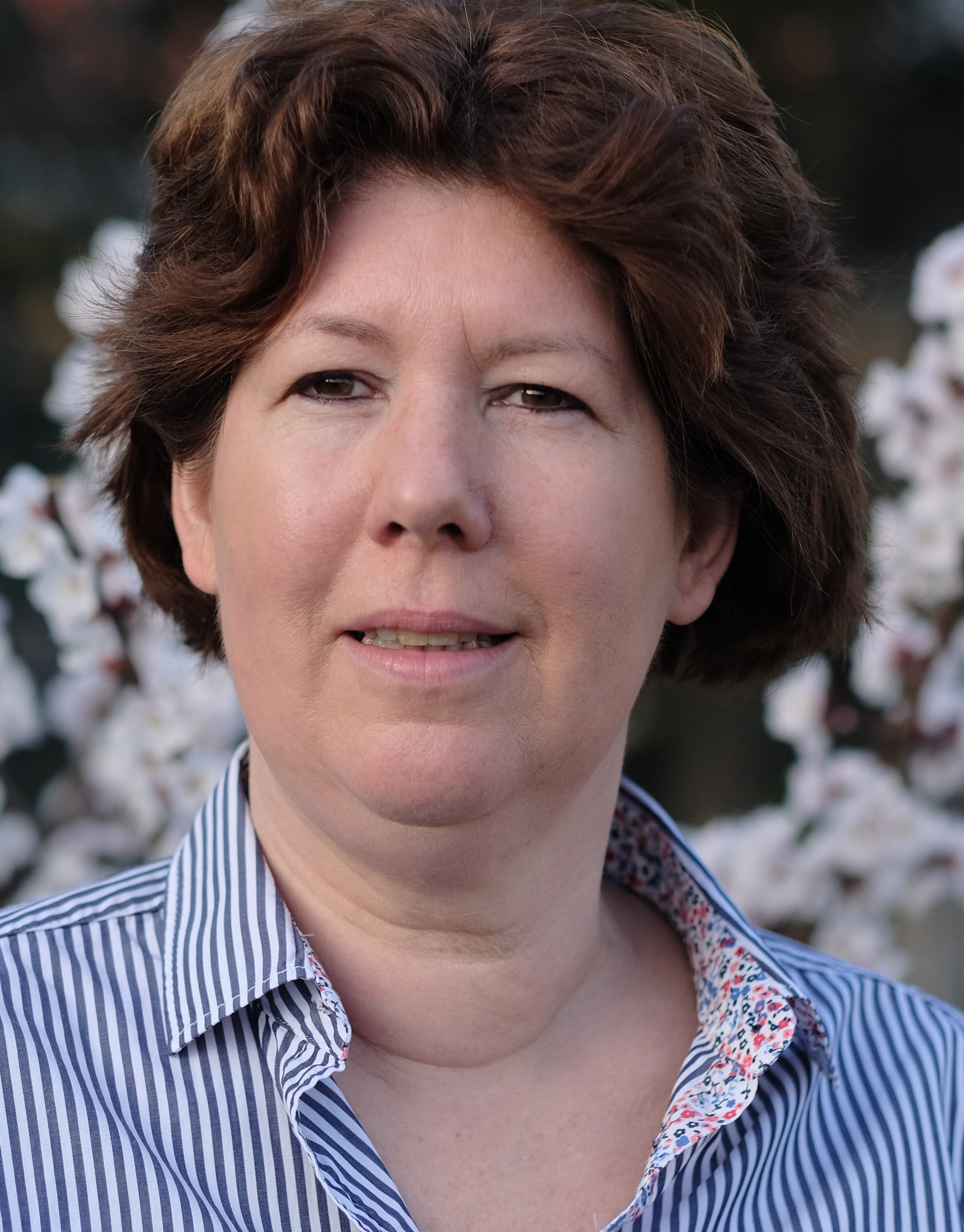
Maike Pellarin-Schlingensiepen

Dr. med. Maike Pellarin-Schlingensiepen

Profile

Maike Pellarin-Schlingensiepen is a specialist in child and adolescent psychiatry and psychotherapy (behavioral therapy, systemic therapy and hypnotherapy as well as animal-assisted psychotherapy with her own therapy dogs). For many years she has been working as a head physician in the field of rehabilitation for children and adolescents.

She gained her first experiences with neurofeedback in the 1990s while working at the University Hospital in Göttingen. Since 2012, Maike Pellarin-Schlingensiepen has been working with Cygnet and the Othmer system.

For several years she has been working as a lecturer for BEE Medic. Especially the topics contraindication for neurofeedback, therapy for ADHD, depression and burnout are her main focus. Maike Pellarin-Schlingensiepen gained special experience with neurofeedback especially in her work with children with attachment disorders and FASD.


Experience with neurofeedback

  • works with Neurofeedback since 2012

Course portfolio

  • Indication Based Trainings/Special Trainings

Languages

  • German
  • English

Additional offers

  • Supervision for individuals (in exceptional situations)
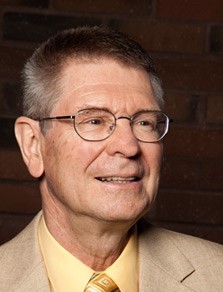
Siegfried Othmer

Siegfried Othmer

Profile

Since 1985 Siegfried Othmer has been engaged in the development of research-grade instrumentation for EEG feedback, and since 1987 has been involved in the research of clinical applications utilizing that instrumentation. Currently he is Chief Scientist at the EEG Institute in Woodland Hills, CA. From 1987 to 2000 he was President of EEG Spectrum, and until 2002 served as Chief Scientist of EEG Spectrum International. Dr. Othmer provides training for professionals in EEG biofeedback, and presents research findings in professional forums.

Dr. Othmer was President of the Neurofeedback Division of the Association for Applied Psychophysiology and Biofeedback over the two-year period of 2011-2013. Presently he is a member of the Board of the Western Association of Biofeedback and Neuroscience (formerly the Biofeedback Society of California).

Roxana Sasu_photo

Roxana Sasu

Supervision services

All my group supervisions listed here will take place at 6:30 p.m. CET.

In addition to my group supervisions I also offer supervision for individuals by arrangement. Please contact me via email.

Languages: English, Romanian

Contact

Roxana Sasu_photo

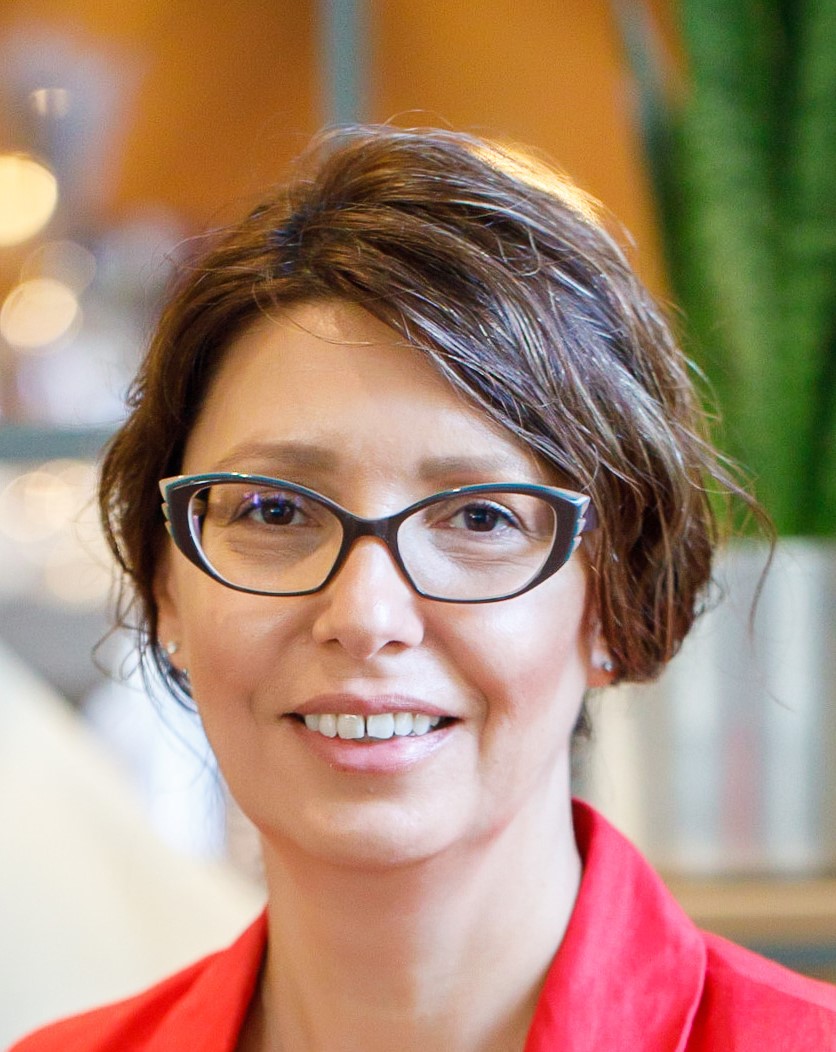
Roxana Sasu

Profile

Roxana Sasu received her MD in Romania in 1999. She joined the clinical staff at the EEG Institute in California in 2008, working directly with Sue Othmer, earning her OMC certification. She divides her time between clinical work, using the Othmer Neurofeedback approach, teaching professional training courses in the US and in Europe, and mentoring clinicians interested in advancing their practical skills in this method. She also takes part in ongoing research and data collection for improving the efficacy of neurofeedback. 

She is a member of the Advisory Board and Director of Clinical Supervision at the Neurofeedback Institute in Romania. Roxana authored two chapters in the book: “Restoring the Brain: Neurofeedback as an Integrative Approach to Health”, where she discusses clinical aspects related to the use of neurofeedback in targeting symptoms associated with ADD and ADHD, respectively behavioral, developmental, and emotional dysregulations in the younger population.  


Experience with neurofeedback

  • works with Neurofeedback since 2008

Course portfolio

  • Basic Trainings
  • Advanced Trainings
  • Indication Based Trainings/Special Trainings

Languages

  • English
  • Romanian

Additional offers

  • Supervision for individuals
  • Supervision for groups

Interview with Gernoth Wührer - The importance of language to human development

09. February 2021

"The importance of language to human development cannot be emphasized enough. It was language, with its tremendous flexibility and richness of meaning, that enabled us to communicate with one another in the first place." (Harari, 2015). 

Language is a fundamental component in child development. When suffering from a so-called language development disorder, communication, language comprehension, vocabulary and language formation or several of these areas are affected. 

In his practice in Munich, the psychologist Gernot Wührer treats, among others, patients with language development disorders. In this interview he reports on how neurofeedback can help. 

Gernot, how did you come to work with speech development disorders? 

I cooperate with a speech therapist who works mainly with children from the autism spectrum as well as children with a migration background who often do not learn the German language properly until kindergarten. This colleague has been integrating neurofeedback into the treatment of her patients in addition to speech therapy for some time. Speech therapy can be very challenging for the children and demand a lot from them - especially when the speech disorder is accompanied by problems with attention, concentration and impulsivity. 

We experience that children with motivational problems as well as children from the spectrum strengthen their cognitive-emotional abilities through neurofeedback. Thus, they also achieve faster progress in speech therapy. The children are more motivated, more concentrated and can engage better in therapy - in individual cases, children have needed up to a year less therapy through the combination of neurofeedback and speech therapy and have also quickly caught up on large developmental delays.  


Language development disorders are a large field. Is neurofeedback indicated equally in all of them? 

It is usually the complex cases and developments for which we additionally recommend neurofeedback, for example if, in addition to speech errors, the understanding of or the relationship to language is also affected. But in general, neurofeedback is a brain training that helps to improve the children's flexibility and performance - everyone can benefit from it. 

The children in my practice are mostly kindergarten age. This is where non-age appropriate language development is usually first noticed, but I also work with school-aged children, adolescents, and adults, especially those with autism spectrum disorders. The problems I observe in practice range from systematic grammatical errors to lack of complex sentences up to problems with language content. Children with autism may also only have limited communication, not speak at all or only be able to make sounds. 


What can neurofeedback do in the therapy of language development disorders? How does it contribute to improvement? 

Neurofeedback, as a concomitant therapy to speech therapy, has a positive effect on speech development disorders in at least three ways. 

First, it strengthens cognitive-emotional conditions and improves parameters like attention and concentration in an implicit and playful way. For example, children who receive accompanying neurofeedback training find the work phases in speech therapy easier. They can work concentrated for a longer time, don't give up as quickly, and also increasingly find joy in it because they don't just have negative experiences with languages, but are increasingly strengthened in their abilities. This is what I would call the non-specific effects of neurofeedback. 

In addition, there are the positive effects that neurofeedback has on the children's everyday life. Family life often calms down a bit, because parents also quickly notice behavioral changes in their children - this can lead to everything from better sleep to longer independent play and less bedwetting. This also eases the burden on parents and raises the quality of life for everyone involved.

Thirdly, neurofeedback also has specific effects on language: for me it is a great success when, in the course of therapy, the children begin to form longer sentences, tell something out of their own motivation or start a conversation. I also notice an increasing verbality, an enlarged vocabulary or differentiated sound formation. Especially if you choose specific electrode positioning for speech in neurofeedback and train there, such results become obvious, while the other two non-specific effects often show up even in the typical initial positions, especially with interhemispheric training. 


What are your experiences with neurofeedback in speech development disorders and what feedback do you receive from patients and parents? 

The children often perceive neurofeedback as an "easy" therapy - they are allowed to come to me and, unlike in speech therapy, have no explicit pressure to speak, but are allowed to watch a movie while exercising their brain - this is a helpful setting for children who have had negative experiences with language. 

I am convinced that they benefit especially  from the interdisciplinary approach when neurofeedback is used alongside speech therapy - and the therapists benefit from a better anamnesis and close observation. Many parents who bring their children to me for neurofeedback pay for this treatment themselves - but they see quick progress and are therefore happy to invest in their children's development and language. In addition, they are normally grateful to have found a therapy option that does not require medication and thus usually has no side effects. 


What is particularly important when using neurofeedback in language development disorders? 

For me, good and sound training as a neurofeedback therapist is central. The treatment of language development disorders goes far beyond the basic positions in neurofeedback. Often the electrode positions have to be fine tuned and it has to be clinically assessed which symptom and which position should be treated first. For this, therapists should already have neurofeedback experience. Furthermore, close observation of the patients is essential - especially if they are not able to communicate verbally, signs of over- and underactivation have to be recognized quickly and the training frequency has to be adjusted. However, from my experience especially young children react very sensitively and clearly to frequency changes already in the session - for changes between sessions, dialogue with parents and other treating therapists is essential! 


The Development of the Othmer Method: Neurofeedback in Its Most Advanced Form

03. February 2021

The following text is a short excerpt from the whitepaper

Author: Kerstin Segler
collaboration and support: PD Dr. rer. nat. Meike Wiedemann, Svenja Reiniger M.A.
Original text in German: "Die Entwicklung der Othmer-Methode - Neurofeedback in seiner modernsten Form"
English proofreading: Helen McManus
This is copyrighted material. You will find the entire text at the end of this article as a pdf file and are welcome to download it for your own reading. Duplication, linking or other use of the text or parts of it is not possible.

The Development of the Othmer Method
Neurofeedback in its most advanced form

Neurofeedback has evolved significantly since its discovery in the 1960s, with the growth of entirely new forms of application, as well as an increase in opportunities for use. The so-called ILF neurofeedback, often referred to as the Othmer method, is of outstanding importance because its development has been initiated by the US Scientists Siegfried and Susan Othmer and has been in continuous development for decades. The following article describes the origin of this method from the classical beta/SMR neurofeedback, its change to an effective individual neurofeedback approach, and how this development was systematically driven by the Othmers’ commitment.


The Origin of Neurofeedback

Before the potential of neurofeedback was discovered, it was a purely diagnostic tool to measure and analyse cerebral waves via the EEG. The American psychologist Barry Sterman recorded EEGs to study the activity of the brain in various sleep phases in cats. At some point he discovered a unique pattern in the EEG of these test animals. This ranged from 12 to 15 Hertz and was similar to ‘sleep spindles’, which typically appear while falling asleep. These spindles indicate the brain’s ability to suppress alertness and sensation of external stimuli in order to stabilise and enter deeper phases of sleep. But actually, the cats in Sternman’s experiment were not sleeping. They were relaxed but fully awake, conscious and attentive to external stimuli.

Sterman referred to the discovery of this pattern as ‘sensorimotor rhythm’ (SMR), named after the area on the cerebral cortex where he recorded it using electrodes. He then tried to see if the cats could be trained to produce more of this specific pattern intentionally, using a training that followed an operational conditioning procedure. Whenever SMR appeared in the EEG, the animals were rewarded with food. This approach was in fact successful: the frequency of the SMR increased as well as the associated state of relaxed consciousness. This was the first time that cerebral waves were used to influence the behavior of a living organism.

Initially these findings were not linked to therapeutic use, but by coincidence that soon changed. Barry Sterman experimented with the cats on behalf of NASA to investigate potentially harmful effects of a new rocket fuel on living organisms. Almost all cats suffered an epileptic seizure within a small period of time after being exposed to a certain dose of the fuel chemical — only one group of cats responded differently: epileptic seizures either did not occur at all or there was a time delay to exhibiting a seizure. Those cats were the very same ones which had previously been trained to produce more SMR rhythms. An employee in Sterman’s laboratory was particularly fascinated by this result because of her own clinical history of epileptic seizures which did not respond to medication at all. So she agreed to an experiment, in which her brain was conditioned to produce more specific brain activity and to reach SMR state intentionally. In fact, this significantly reduced the number of her seizures. This self-testing was the first time that neurofeedback was clinically applied to human beings.

Shortly after this successful experiment with Sterman’s employee, more patients with epilepsy were treated with the revolutionary procedure and even more beneficial effects were observed: improved sleep problems, reduction in hyperactive behavior and better ability to focus and concentrate were reported by the subjects. Following this, insomnia and ADHD became additional important indications for neurofeedback training. One pioneer of early research in this area was Joel Lubar, a staff member from Sterman’s Laboratory, who subsequently did a lot of great research on neurofeedback in ADHD.


Frequency Band Training

The process discovered by Barry Sterman is one of what is called today ‘Classical Frequency Band Training’. The electrical waves of cerebral activity seen in the EEG can be divided into six groups, the so-called frequency bands. One of these is Sterman’s SMR, while there are five further frequency bands (see box). Dominant frequency patterns seen in the EEG can be used to estimate the brain’s level of vigilance, as specific arousal levels are associated with frequency bands.

The first neurofeedback applications were primarily just SMR training, but soon developed into beta/SMR training. Clients train to produce fewer frequencies associated with inattentiveness (Theta) and tension (High-Beta) in the EEG. Simultaneously they train to produce more SMR and (Low) Beta Frequencies.

The goal is to enter a relaxed but attentive, focused and aware state and to intensify this state. The feedback reward to clients for showing specific frequencies, is usually a pleasant sound or the appearance of a positive reward symbol. If amplitudes of unwanted frequencies increase, this reward is withdrawn or even replaced by an unpleasant warning sound as an inhibit marker.

Classical Frequency Band Training is based on prescribed rules.  For example which frequencies are inhibited or rewarded is determined prior to the training, on the basis of theoretical considerations. This could be compared to not being able to set equipment in the gym to one’s individual physical conditions but to operate all the machines with the same predetermined weights and adjustments for everyone. This also applies to SCP training (see box), another form of neurofeedback developed alongside German universities and being used with good success in the treatment of epilepsy and AD(H)D. *SCP training is therefore another prescriptive procedure. 


Evolution of the Othmer Method

Frequency Band Training as a prescriptive method, is grounded on the assumption that there are specific desirable as well as undesirable frequencies in the brain’s activity during? cognitive skills training. The definition of those inhibit and reward frequencies are based on theoretical or statistical considerations on what should be the “norm” in the brain’s activity.  At first there was little reason to question those theoretical considerations, especially as impressive results could be achieved with the beta/SMR training. Nowadays, such general definitions on one individual’s brain activity can be doubted - because we are familiar with the concept of neuroplasticity which was not well-known back then.

Dr Siegfried Othmer and his wife Susan Othmer came into contact with neurofeedback as a powerful therapy option for their son – who was autistic - and became enthusiastic about the method. As a neuroscientist, Susan Othmer had an immediate professional interest in neurofeedback — and her husband Siegfried Othmer, a physicist – was the perfect complement for developing solutions for technical requirements. Together they started their own neurofeedback development institution (EEG Spectrum Inc.) in the mid-80s in Los Angeles, which later expanded to include a clinic and the name was changed to EEG Institute.

The Othmers worked with the beta/SMR training first, but they soon developed the first improvement in the procedure. They decided to no longer simply reward exceeding a single threshold level, but to work with the dynamic of the reward frequency band. The clients were now given feedback of their brain activity from an animation in which a bar moved up or down. The bar represents the proportion of Beta/SMR frequencies in the Frequency Bands recorded from the EEG.

Working with dynamic feedback has been made possible by advances in computer technology, which, moreover, could increasingly reflect the EEG signals in ‘real time’, with almost no  delay. Using the dynamic of reward frequency bands as a feedback signal marked the first of many subsequent shifts away from the initial explanatory model because this neurofeedback was no longer based on operant conditioning.

...
 

For further reading plaese find here the complete whitepaper "The Development of the Othmer Method. Neurofeedback in its most advanced form"


Subscribe to