Dipl.-Ing. Nikoletta Kertész
Profile
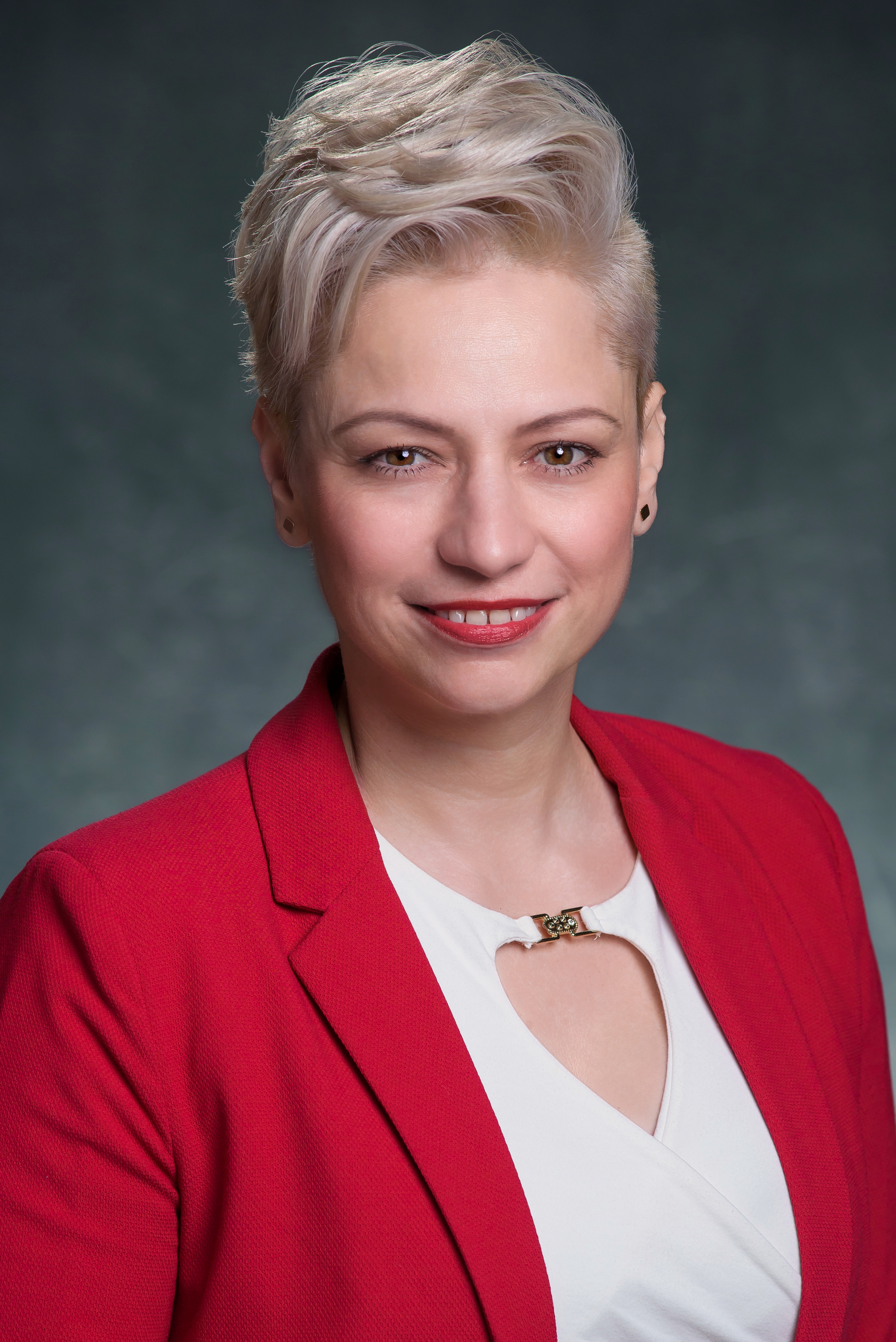
Nikoletta Zita Kertész is a certified neurofeedback trainer. She graduated from the University of Miskolc Hungary as a mechanical engineer. She has been working with neurofeedback in Hungary in the city of Győr since 2016. The MyNeuro Neurofeedback Center welcomes adult professionals and athletes, however specializes in supporting children with autism and ADHD.
My next courses
Experience with neurofeedback
- Works with Neurofeedback since 2016
Course portfolio
- Basic Trainings
- Information Days
- Practice Days
Languages
- Hungarian
- German
- English
Additional offers
- Supervision for individuals
- Supervision for groups
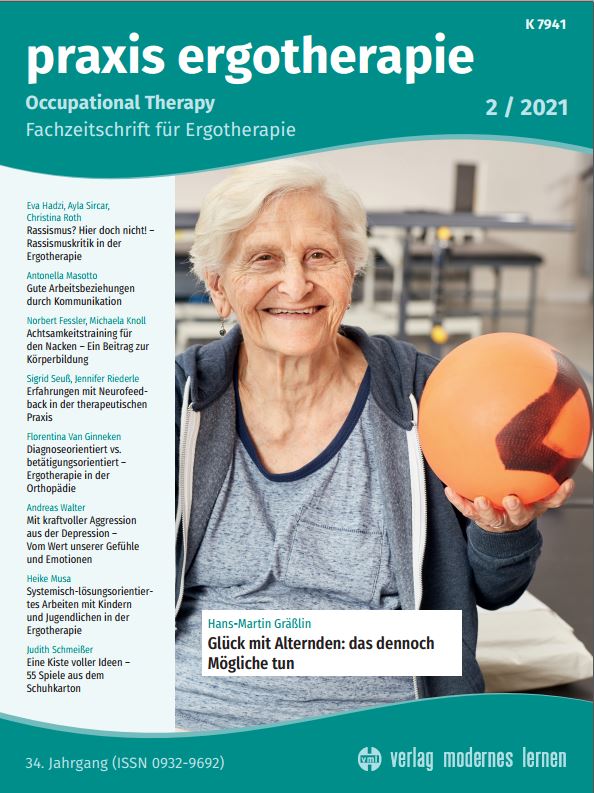
Article: Experience with neurofeedback in therapeutic practice
In the current issue of the German-language professional journal for occupational therapists "Praxis Ergotherapie" our collegues Dr. Siegrid Seuß and Jennifer Riederle published the results of a survey among 260 neurofeedback therapist, mainly occupational therapist. They asked them about their use and experience with neurofeedback in daily work.
The publisher's announcement states:
"Neurofeedback is a therapy method to improve the regulatory capacity of the central nervous system. Clinical studies are investigating the effects of neurofeedback in various indications. In addition, practical experience is an important component in the evaluation of the method. 260 neurofeedback therapists – mostly occupational therapists - were interviewed about their experiences in daily practice. The analysis illustrates the variety of applications, positive and undesirable effects, and arrives at a positive risk-benefit ratio."
48% of the survey participants were occupational therapists. Furthermore professionals in the field of psychiatry, psychotherapy and psychologe (30%) and from other therapeutic working prefessions (22%) participated. All of them are working with ILF Neurofeedback and the results are impressive.
85% of respondents rated neurofeedback as an "essential tool for effective treatment of their patients." Positive effects of neurofeedback mentioned included improvement in sleep, attention, mood, and emotion regulation and impulse control.
When asked to assess the risk-benefit ratio of neurofeedback, 96% of respondents rated it as very good or good.
You can read the complete article in German-language in the current issue 2/2021 of "Praxis Ergotherapie" available from 01.04.2021.
Or read the articel here.
For more details please feel free to contact us. The authors will be happy to answer any questions you may have.
What does Neurofeedback do for the brain in stress and mental illness?
We are all familiar with stress and mental strain from time to time. However, mental stress is on the rise - especially now during the pandemic.
In a short article in today`s edition of the German newspaper "WELT", we show you how Neurofeedback can help.
The article is only available in German.

Dr. med. Maike Pellarin-Schlingensiepen
Supervision services
I offer individual supervision only for difficult child and adolescent psychiatric cases. Please contact me in this case.
Languages: English, German
Contact
What is Neurofeedback?
Neurofeedback is a therapy method that - similar to biofeedback methods - is based on measuring physical body functions and reporting them back through appropriate signals in real time. Since neurofeedback is about the brain, EEG signals are used for feedback here. Neurofeedback is mainly used in therapy to improve the self-regulation ability.
Biofeedback
In biofeedback, body functions such as pulse, skin conductance or muscle tension are measured by sensors and made tangible in real time through sounds, images or animations. In this way, incorrect postures that lead to painful tension can be avoided if the muscle tension is continuously measured and, as an example, a sound reminds the user to adopt the correct posture again. Over time, the patient is trained to maintain body functions at a certain level of activity or to specifically change this level.
Neurofeedback – Improving the self-regulation ability of the brain
In neurofeedback, not muscular bodily functions, but the brain's ability to self-regulate is trained. For this purpose, EEG signals are derived from the surface of the head. Based on a thorough survey of the patient's symptoms, certain frequency ranges of brain activity are measured and evaluated in order to control feedback in the form of an animation on a screen in real time. For example, an animation might move faster, the image becomes clearer, or a melody becomes audible. Through this continuous process patients can learn to improve their ability to self-regulate. Particularly in the case of mental illnesses, accompanying stress symptoms, sleep disorders or disturbances of the attention and concentration spectrum can often be significantly improved in this way.
Neurofeedback is successfully used for a wide range of indications, from epilepsy 1 over ADHD 2 to anxiety disorders 3, migraine 4,5, tinnitus 6 or autism 7. This is only a small excerpt from a long list of possible application areas.
Reference to further articles
Tan, G. et al. Meta-Analysis of EEG Biofeedback in Treating Epilepsy. Clin. Eeg Neurosci. 40, 1–8 (2009).
Arns, M., Ridder, S. de, Strehl, U., Breteler, M. & Coenen, A. Wirksamkeit der Neurofeedbackbehandlung bei ADHS : Auswirkungen auf Unaufmerksamkeit , Impulsivität und Hyperaktivität : eine Metaanalyse. Dtsch. Verband der Ergotherapeuten (2010).
Moore, N. C. A Review of EEG Biofeedback Treatment of Anxiety Disorders. Clin. EEG Neurosci. 31, 1–6 (2000).
Walker, J. E. QEEG-Guided Neurofeedback for Recurrent Migraine Headaches. Clinical EEG and Neuroscience 42, 59–61 (2011).
Stokes, D. A. & Lappin, M. S. Neurofeedback and biofeedback with 37 migraineurs: A clinical outcome study. Behav. Brain Funct. 6, 1–10 (2010).
Güntensperger. Treatment of chronic tinnitus with neurofeedback. (2018). doi:10.5167/uzh-158283
Holtmann, M. et al. Neurofeedback in autism spectrum disorders. Dev. Med. Child Neurol. 53, 986–993 (2011).
Study shows: ILF neurofeedback leads to significant improvement in impulse control and attention in children with ADHD
As part of the study—which was conducted in cooperation with the Neurofeedback Network and a group of child and adolescent psychiatric practices in Munich—251 patients with AD(H)D received neurofeedback treatment. Attention was assessed before the start and after completion of the therapy. A comparison of the test results showed significant improvements in attention and impulse control; patients also reported an improvement in AD(H)D symptoms.
A detailed article on the study was published in May 2020 in neue AKZENTE, issue no. 115 (ADHS Deutschland e.V.).
Citation:
Mackert, J. (2020). Neurofeedback in AD(H)D – Improving attention with ILF neurofeedback. neue AKZENTE, 115(1), 8–12.
PDF version available via ResearchGate.
The Diagnosis of AD(H)D
Approximately five percent of children of school age are affected by AD(H)D. They exhibit cross-situational symptoms of inattention, impulsivity, and, in some cases, hyperactivity, which can cause considerable distress. The disorder is generally associated with functional impairments, and problems frequently arise, particularly in the areas of school and education. Affected individuals and their parents are therefore seeking effective treatment methods—especially those that can achieve lasting therapeutic effects without the use of psychopharmaceuticals.
AD(H)D and Neurofeedback
As neurological and psychiatric disorders are associated with specific alterations in brain activity (Hammond, 2019), neurofeedback— a non-invasive, EEG-based, computer-assisted therapeutic method—can represent a meaningful treatment option. Neurofeedback allows certain components of a patient’s own brain activity to be visualized in real time. These visual stimuli serve as feedback signals that can be decoded by the visual processing centers of the brain. Based on this visualization of brain activity, different training modules can be applied depending on the therapeutic goal.
Infra-Low-Frequency Neurofeedback
In this study, Infra-Low-Frequency (ILF) neurofeedback was applied. This approach confronts the brain with components of its own activity that lie within an extremely low frequency range. By placing electrodes on the scalp above specific associative brain areas, up to 15 different activity parameters can be fed back to the brain in order to reflect changes in its internal states and to initiate adaptive processes at an unconscious level (Wiedemann, 2015).
Clinical studies involving patients with AD(H)D have demonstrated since the 1980s that neurofeedback can lead to significant improvements in various parameters of attention, impulse control, and academic performance (Lubar & Lubar, 1985; Kaiser & Othmer, 2000; Sasu & Othmer, 2015). Follow-up studies have further confirmed sustained improvements in attention and academic performance six and 24 months after completion of neurofeedback therapy (Gani, Birbaumer & Strehl, 2008; Van Doren et al., 2018). More recent studies have shown that neurofeedback treatment can produce lasting effects comparable to those achieved with stimulant medication such as methylphenidate (Ritalin) (Fuchs et al., 2003; Monastra et al., 2002; Rossiter, 2004).
The Study
The aim of this multicenter observational study was to investigate whether ILF neurofeedback represents a therapeutically relevant treatment option for children, adolescents, and young adults with AD(H)D. Between January 2015 and September 2017, 251 children, adolescents, and young adults (aged 7–21 years) diagnosed with AD(H)D were observed. Over a period of 15 weeks, participants received approximately 30 neurofeedback sessions, corresponding to the recommended frequency of two sessions per week.
Participants completed a specific assessment of various parameters of attention and impulse control both before and after the neurofeedback therapy and also rated the severity of their symptoms.
ILF neurofeedback was delivered using EEG NeuroAmp® systems manufactured by BEE Medic. The applied treatment protocol followed the evidence-based method developed by Othmer, in which electrode placement and training frequencies (<0.1 Hz) are individually determined (Othmer, 2017). Attention and impulse control were assessed using the Continuous Performance Test (QIKtest), which measures attention across four variables: reaction time, variability of reaction time, omission errors, and commission errors.
Pre- and post-treatment data from n = 196 participants were included in the analysis (21% female, 79% male; mean age = 12.06 years). Table 1 presents the measured pre–post values for the four attention variables as well as the (significant) differences observed.
Results
Analysis of the attention test revealed significant improvements across all four parameters following neurofeedback therapy. This suggests that neurofeedback contributes to improved self-regulation of brain activity. On average, participants responded more quickly, showed reduced variability in reaction times, and made significantly fewer errors.
This effect was particularly pronounced for commission errors, indicating that participants exhibited significantly less impulsive response behavior after completing neurofeedback therapy.
In addition, 97% of participants subjectively reported an improvement in symptoms following neurofeedback treatment. Only 3% indicated no perceived improvement when comparing pre- and post-treatment symptom ratings.
The strongest changes in symptom ratings were observed for hyperactivity and inattention, both of which were rated as markedly less severe by participants after neurofeedback therapy.
Study Results and Implications
The results suggest that after approximately 30 neurofeedback sessions, patients showed significant improvements in attention, sustained attention, and impulse control. Furthermore, the perceived severity of symptoms was substantially reduced. Based on these findings, the therapeutic benefit of ILF neurofeedback can be rated as very good.
These results support the conclusion that ILF neurofeedback may represent a valuable therapeutic component for children, adolescents, and young adults with AD(H)D. Feedback from patients and their parents was consistently positive, and treating therapists also rated both the treatment method and patient outcomes very positively.
These promising findings encourage further research into ILF neurofeedback for the treatment of AD(H)D—particularly studies that address the limitations of this observational design by employing interventional approaches, control groups, and additional validated assessment instruments for attention, impulse control, and related parameters, including validity criteria. Comparative studies examining neurofeedback relative to other treatment approaches and investigations into the long-term effects of neurofeedback therapy would also be of interest.
Although the results of this observational study are only partially generalizable, the relatively large sample size demonstrates that both subjective and behavioral improvements in symptoms are achievable through ILF neurofeedback therapy in children and adolescents with AD(H)D. ILF neurofeedback thus represents a non-pharmacological, non-invasive, and pain-free treatment option that can meaningfully expand therapeutic approaches for AD(H)D.
Sources
Fuchs, T., Birbaumer, N., Lutzenberger, W., Gruzelier, J. H. & Kaiser, J. (2003). Neurofeedback Treatment for AttentionDeficit/Hyperactivity Disorder in Children: A Comparison with Methylphenidate. Applied Psychophysiology and Biofeedback, 28 (1), 1-12.
Gani, C., Birbaumer, N. & Strehl, U. (2008). Long term effects after feedback of slow cortical potentials and of theta-betaamplitudes in chindren with attention-deficit/hyperactivy disorder (ADHD). International Journal of Bioelectromagnetism, 10 (4), 209-232.
Hammond, D. C. (2019). Integrating Clinical Hypnosis and Neurofeedback. American Journal of Clinical Hypnosis, 61(4), 302- 321.
Kaiser, D.A. & Othmer, S. (2000). Effect of Neurofeedback on Variables of Attention in a Large Multi-Center Trial. Journal of Neurotherapy, 4 (1), 5-15.
Lubar, J.O. & Lubar, J.F. (1984). Electroencephalographic Biofeedback of SMR and Beta for Treatment of Attention Deficit Disorders in a Clinical Setting. Biofeedback and Self-Regulation, 9 (1), 1-23.
Monastra, V. J., Monastra, D. M. & George, S. (2002). The Effects of Stimulant Therapy, EEG Biofeedback and Parenting Style on the Primary Symptoms of Attention-Deficit/Hyperactivity Disorder. Applied Psychophysiology and Biofeedback, 27 (4), 231-249.
Othmer, S. (2017) Protocol guide ILF HD-module 6th Edition. Woodland Hills CA: EEG Institute.
Rossiter, T. (2004). The Effectiveness of Neurofeedback and Stimulant Drugs in Treating AD/HD. Applied Psychophysiology and Biofeedback, 29 (4), 233-243.
Sasu, R. & Othmer, S. (2015). Neurofeedback in Application to the ADHD spectrum. In Hanno W. Kirk (Hsg.) Restoring the Brain: Neurofeedback as an Integrative Approach to Health. (S.231-260). Boca Raton, Florida: CRC Press.
Van Doren, J., Arns, M., Heinriich, H., Vollebregt, M. A., Strehl, U. & Loo, S. K. (2018). Sustained Effects of Neurofeedback in ADHD: a Systematic Review and Meta-Analysis. European Child & Adolescent Psychiatry, doi: 10.1007/s00787-018- 1121-4.
Wiedemann, M. (2015). Infra Low Frequency (ILF-) Neurofeedback. In K.-M. Haus, C. Held, A. Kowalski, A. Krobholz, M. Nowak, E. Schneider, G. Strauß & M. Wiedemann, Praxisbuch für Biofeedback und Neurofeedback (2. Auflage), 91- 115. Berlin, Heidelberg: Springer.
Memory improvement through neurofeedback
This blog post is about... um... oh… let me think... yeah! Memory and forgetting. We all have been in such situations: forgetting the appointment at the dentist, having to search for our car in the parking lot and not remembering birthdays. In this blog post, we explain why we forget things and how neurofeedback can improve memory. We are also discussing a study by the Saarland University in which the memory of test subjects could be improved in the long term through neurofeedback training.

Why do we forget things?
The question seems trivial, but the answer is not. Forgetting is often perceived as a counterpart to memory and malfunction of the brain, but in fact it is an elementary brain function. In order to adapt to changing environmental conditions, we must learn new things, but also forget or relearn old things. Through the mechanism of forgetting, we learn to separate the unimportant from the important.
By the way, we not only forget declarative facts and episodic contents of our memory – such as knowledge from school or memories of our first birthday – especially when it comes to sensory perception, the deletion of impressions is important in order to ensure a functioning perception in the presence.There would be small benefit to save an old sensory impression in our sensory system forever – rather, the storage takes only about 0.25 seconds until the information reaches the brain, then the old sensory impression must be overwritten by a new one in order to ensure timely perception of the environment and possible dangers.
Forgetting as spam filter
Forgetting is an active process that - like a spam filter - scrolls over our perceptions and helps us to perceive the impression or to call up the memory we need. Forgetting suppresses the “spam” in the respective situation, i.e. related impressions or irrelevant knowledge. But we also forget things that are important, such as the dentist appointment. That’s because in the process of forgetting, as well as in learning (keyword – maladaptive behavior, addiction), our spam filter may be mistaken and important information is not properly classified – perhaps because while we made the dentist appointment, at the same time another important sensory impression (door bells) disturbed our system and thus upset the storage and separation of important and unimportant.
Synaptogenesis in teenage years
There is also a clear correlation for the importance of forgetting: The so-called synaptogenesis during puberty: An adult has significantly fewer synapses – neuronal connections between nerve cells – than a child. The brain ‘forgets’ things - or in this case eliminates synapses- through its development in order to make processing more efficient. What should not be neglected: The human brain and its executive functions are not infinite, but limited in capacity – so the existing structures and storage capacities must be used in the most efficient way to learn, repeat and remind those things which are adaptive to the prevailing environmental conditions.
However, researchers still discuss whether by forgetting we really lose memory content or it simply becomes more difficult to access these content.. It is also exciting that we can change memories on every retrieval – and that there are memories where this is not possible. Patients suffering from post-traumatic stress disorder, for example, cannot change the traumatic memory stored in their memory.Even the spam filter can not surpress those kind of memories - a trigger or an association can lead to flashbacks. This is also because the memory of the trauma – not least because of the involvement of Amygdala– is saved very deeply in the brain. The amygdala also reacts to stimuli that are just somehow associated with the traumatic situation. So how well you remember depends on how well you forget.
Neurofeedback and memory - theta activity can be trained individually
A team of Experimental Neuropsychologists from the University of Saarland investigated in a study with 17 subjects how memory could be improved by a specific neurofeedback training. Using a specially developed neurofeedback protocol, the subjects trained to increase Theta waves (4-8 Hz) in brain activity. Those are known to be associated with relaxed waking states or flow experiences through previous research. If the subjects showed high theta activity, took the speed of a roller coaster that they saw on the screen in front of them; A small proportion of Theta Waves caused the roller coaster to stand still. Subjects trained with neurofeedback in a total of seven sessions for 30 min within almost two weeks. 18 subjects in the control group received sham feedback and were presented randomly selected frequencies of their EEG during the same amount of sessions.
While the training group showed significantly more theta activity from the third session onwards (theta increase of 10-15 % per subject), there was no increase in the theta activity in the control group. The authors concluded that subjects could learn to upregulate the theta waves.Thus, theta activity can be trained individually through neurofeedback training.
Increased theta activity shows improvement in memory performance
The researchers then examined the impact of increased theta activity on long-term memory. Subjects from both groups solved a memory task on three different dates – one day after the first NFB training, one day after the last NFB session and 13 days after the last session. In the task, memory capacity and memory context were considered. The participants were presented with 200 words (for each of the 3 test times new words were chosen here). They should indicate whether these words describe living objects or if they seem pleasant to them. In a subsequent memory test, the previously learned words were presented together with some new words. If the subjects assessed a word as seen before, they were asked in which context (i.e. with the question of alive or pleasant) it had been presented before.
Subjects who previously received neurofeedback training and thus increased their theta waves, showed a clear improvement in their memory performance. After neurofeedback training, they were able to recognise more words and assign them to the right context. This improvement was not only of a short-term nature: Even if the test was repeated 13 days after the last neurofeedback session, a long-term improvement in memory and memory context could be registered. The individual improvement in the memory test was related to the individual increase of the theta activity in neurofeedback training.
At both test times after neurofeedback training, but especially during testing 13 days after the last session, subjects in the training group achieved absolutely better results than subjects in the control group, while the results in the pretest were comparable.
This research was carried out with young and healthy subjects, but forms the basis for investigating the improvement of memory through neurofeedback in the future – possibly using other protocols then theta frequency training – with patients suffering from pathological memory problems. In any case, the results suggest to further investigate the possibilities of neurofeedback training to improve memory. Even in current treatments – with corresponding symptoms – the improvement of memory can be considered as a treatment goal.
Study: Eschmann, K. C., Bader, R., & Mecklinger, A. (2020). Improving episodic memory: Frontal-midline theta neurofeedback training increases source memory performance. NeuroImage, 222, 117219.
Alpha-Theta Neurofeedback & Synchronie Training Online
Course description
Alpha-Theta und Synchronie-Training sind neben dem ILF-HD Neurofeedback wichtige Bestandteile des Neurofeedbacks nach Othmer. Vor allem bei Posttraumatischen Belastungs-, Angst- und Schlafstörungen, sowie der Peak Performance Bereich können Alpha-Theta und Synchronie-Training wichtige Therapiebausteine sein.
Der Kurs vermittelt theoretische und praktische Grundlagen dieser Verfahren. Neben klassischen und historischen Trainingsprotokollen liegt der Fokus auf neusten Entwicklungen und deren Möglichkeiten. Im praktischen Teil des Kurses können Sie die verschiedenen Varianten des Trainings an sich selbst kennenlernen. Die persönlichen Trainingsprotokolle, Trainingseffekte und das weitere Vorgehen werden jeweils in Kleingruppen besprochen.
Voraussetzung für die Teilnahme ist ein (Online) Grundkurs durch einen von uns akkreditierten Fortbildungsanbieter. Die Selbsterfahrung ist möglich, wenn keine Kontraindikationen bestehen und Teilnehmer ILF Neurofeedback in mind. 15 Sitzungen an sich selbst angewendet haben.
Essential teaching content
- Grundlagen der Ableitungen und der Messtechnik
- Anwendungsgebiete
- Voraussetzungen und Kontraindikationen
- Maximale Nutzung der Feedback-Optionen
- Geschichte und Theorie zu Alpha-Theta Neurofeedback
- 2-Kanal Trainingsoptionen
- Der Einsatz von geführter Imagination beim Alpha-Theta Neurofeedback
- Theorie zum Synchronie-Training
- Frequenzen und entsprechende Elektrodenplatzierungen
After the course you can
- Alpha-Theta und Synchronie-Training in Ihr Neurofeedback-Methodenrepertoire aufnehmen und direkt nach dem Kurs einsetzen
- Behandlungsprotokolle noch gezielter auswählen, um Klienten noch individueller und effektiver zu helfen
- Ihr Behandlungsspektrum erweitern
Course highlights
- Idealer Aufbaukurs nach einem Grundkurs durch einen von uns akkreditierten Fortbildungsanbieter
- Intensive Betreuung durch erfahrene Dozenten während des gesamten Kurses
- Hoher Praktikumsanteil
Online
Period of time
14.09.2024 – 15.09.2024
14.09.2024 09:00 – 18:00
15.09.2024 09:00 – 17:00
Local time: Europe/Berlin
Your selected time zone
Price
690 EUR / 740 CHFIncluded in the price
- Kursmanual mit allen Präsentationen und Arbeitsblättern als PDF-Datei zum Download
- Nutzung der Software Alpha Theta Reflections sowie Synchronie während des Kurses
- Zertifikat
More Information
Bitte um Anmeldung bis 30.08.2024
Die Anmeldefrist ist schon vorbei? Kontaktieren Sie uns! Wir finden eine flexible Lösung!
Gut zu wissen:
- Mit einem absolvierten Grundkurs durch einen von uns akkreditierten Fortbildungsanbieter
- 15 Sitzungen Selbsterfahrung mit ILF Neurofeedback
- und einem vorhandenen Neurofeedback-System von BEE Medic
sind Sie perfekt vorbereitet für diesen Kurs und können daran teilnehmen.
- Die Selbsterfahrung im Rahmen des Kurses ist möglich, wenn keine Kontraindikationen vorliegen. Melden Sie sich, wenn Sie Fragen hierzu haben.
- Bleiben Sie flexibel! Die Stornierung oder Umbuchung auf einen anderen Kurs ist so lange möglich, bis wir Ihnen das Kursmaterial bereitstellen.
- Diesen Onlinekurs können Sie einzeln absolvieren. Sie brauchen keinen Praktikumspartner
Zur Buchung werden Sie direkt auf die Webseite der BEE Medic GmbH weitergeleitet.
Language
- German
Lecturer
Organizer
For EU:
BEE Medic GmbH
Max-Porzig-Str. 1, 78224 Singen, Germany
For CH, UK and other non-EU countries:
BEE Medic GmbH, Switzerland
BEE Systems Ltd. UK
- courses@beemedic.com
- Phone: +49 7731 96969-70
- Phone: +41 71 9314020
- Phone: +44 1702 8200 06
register*
Print course description
*By clicking on "register" you will be forwarded directly to the organizer of the course for booking. The organizer is also responsible for course organisation and invoicing.