Neurofeedback - Entwicklung, Evidenz und Anwendung 19.06.2024
Sie interessieren sich für Neurofeedback, möchten sich aber vor einer Investition in einen Kurs und ein System unverbindlich informieren?
Die kostenlosen Neurofeedback Webinare der BEE Medic GmbH sind hierfür die ideale Möglichkeit.
Im Rahmen dieser besonderen ca. einstündigen Veranstaltung erhalten Sie direkt aus erster Hand von Dr.-Ing. Wandernoth, der bei BEE Medic GmbH für die gesamte Entwicklung verantwortlich ist, fundierte Inhalte zum geschichtlichen Hintergrund, zur Studienlage sowie zur Funktionsweise, Anwendung und Umsetzung des Neurofeedbacks. Er stellt Ihnen das Neurofeedback-Setting vor und es besteht ausreichend Raum für alle Ihre Fragen rund um Neurofeedback.
Agenda
- Wie hat sich Neurofeedback entwickelt?
- Wie funktioniert Neurofeedback?
- Für welche Indikationen und Symptome eignet sich Neurofeedback?
- Wie unterscheiden sich die gängigen Neurofeedback-Verfahren?
- Wie wird Neurofeedback in der Praxis angewendet?
- Was sind die fachlichen und therapeutischen Anforderungen?
- Was sind die technischen Voraussetzungen?
- Was sind die ersten Schritte für eine erfolgreiche Umsetzung?
After the info day
- Haben Sie einen Einblick zur Evidenz von Neurofeedback
- Wissen Sie, wie modernes Neurofeedback funktioniert
- Wissen Sie, wie Sie Neurofeedback in Praxis und Klinik umsetzen und einsetzen können und welche Vorteile Sie ganz persönlich daraus ziehen können
- Haben Sie viele neue Erkenntnisse und Hinweise zu Literatur und Studien, die Ihnen den weiteren Einstieg ins Neurofeedback erleichtern
Online
Period of time
19.06.2024
Local time: Europe/Berlin
Your selected time zone
Details
18.00 bis ca. 19.00 Uhr
Organizer
BEE Medic GmbH
Max-Porzig-Str. 1
78224 Singen
Germany
- courses@beemedic.de
- Phone: +49 7731 96969-70
Lecturer
Language
- German
More Information
Die Neurofeedback Infotage und Webinare richten sich an Personen mit heilberuflichem und therapeutischem Hintergrund. Personen, die für sich eine Neurofeedback-Therapie in Erwägung ziehen, können leider nicht daran teilnehmen, finden aber Informationen rund um Neurofeedback beim Neurofeedback Netzwerk.
register*
Print course description
*By clicking on "register" you will be forwarded directly to the respective organizer, where you can register for the Info day.
#neurofeedbackabc
Neurofeedback is so fascinating, is`nt it? But when you are not yet familiar with it is sometimes complicated. With our Neurofeedback ABC on Instagram and Facebook we introduce to you every week neurofeedback related terms. Compact and understandable. To learn and share with the #neurofeedbackabc and #beemedic. And if you are not on social media we will keep you up to date here at our blog.
A - ADHD
“In a multicentre observational study 97% of 196 children and adolescents who received 30 sessions of ILF neurofeedback over a 15-week period reported a clear improvement in symptoms.”
About five percent of school-age children suffer from ADHD. But it does not only affect children. Many adults continue to experience additional problems such as anxiety or sleep disorders. For ADHD ILF Neurofeedback can be an effective tool to:
> Improve concentration
> Encourage relaxed attention
> Increase frustration tolerance
> Improve the ability to switch between different states of attention
> Improve sleep
> Relax the school and homework situation
> Reduce medication doses if necessary
ILF Neurofeedback also appeals to young patients in particular because of the broad range of feedback animations we have, which resemble a computer game
B - Biofeedback
“Biofeedback is a term used in behavioral medicine to describe procedures that enable us to make unconscious processes of our body and psyche perceptible and thus influence them.”
People can learn almost anything. The prerequisite is that there is a feedback between what is wanted and what is achieved. For example, we cannot learn to ride a bicycle if we do not feel any incline. Most of the functions of our body and psyche, on the other hand, we cannot directly perceive or consciously influence. They are controlled automatically, such as blood pressure, skin conductance, body temperature and many others. If such a function does not work properly anymore or even fails completely, there is hardly any possibility to train it, because there is no direct influence. This is where biofeedback comes into play.
Biofeedback can be combined in many ways with various methods of psycho- and physiotherapy. Just by measuring body signals, such as heart rate, muscle tension, breathing, skin conductance, the patient can be shown very well how the body reacts to certain topics, thoughts, inner images or suggestions.
C - Courses
We emphasise the importance of high-quality and well-founded neurofeedback training. Our courses are therefore exclusively aimed at mental health professionals and have a high proportion of practical training and self experience.
Excellent neurofeedback education has always been very important to us. So important that we offer our courses and those of our training partners with an own product brand: EEG Info Europe.
There, mental health professionals will find basic courses as well as a wide range of advanced and indication-specific courses. And depending on your individual needs, you can attend live online or increasingly on-site courses again.
Our instructors are true neurofeedback enthusiasts. All of them are experts who work successfully with neurofeedback themselves on a daily basis in clinics and practices.
Furthermore, our courses are characterized by
> Intensive practical and self-experience
> Excellent course organization
> Attractive venues
> Wide range of online courses
> Course equipment - during the training we provide you with high quality neurofeedback equipment
> Courses in several languages throughout Europe
> Indication specific courses for advanced users e.g. ADHD, PTSD, pain, peak performance, burnout
> Full technical support
D - Dreamscapes
Dreamscapes© is a collection of 27 feedback animations for neurofeedback with our Cygnet© neurofeedback software. It includes landscape animations as well as creativity and thinking games and puzzles for an individual neurofeedback experience.
Not all neurofeedback is the same.
Feedback animations play a central role in neurofeedback. They visualize what is to be reflected back to the brain.
The first neurofeedback animations were very simple. Mostly they were bars that changed their height depending on the EEG frequency. And even today - more than 30 years later - very simple animations are still common in some procedures, where for example objects simply move up and down.
However, the technical possibilities are far greater. Feedback games such as Dreamscapes©, InnerTube© or Tropical Heat© make it possible to experience animations similar to a video game. With ILF neurofeedback, up to 14 parameters are sometimes hidden in an animation - from color nuances that change subtly to the speed and movement of objects in the foreground and background to the brightness. In addition, the Cygnet© neurofeedback software offers a particularly wide range of different animations, which allows an individual adaptation to the patient. This promotes motivation and anticipation of the neurofeedback sessions, the therapy is diverse and, last but not least, patients can actively participate in therapy decisions.
E - Enthusiastic
Neurofeedback enthuses patients and therapists! Neurofeedback is not only effective and painless, but also fun and it brings ease into everyday therapy.
Modern Neurofeedback is user-friendly and highly effective.
Our systems are easy to use and allow therapists to concentrate on what matters most - their patients and the therapeutic work. Neurofeedback sessions can be a way to bring more lightness and ease into the therapeutic daily work.
But not only therapists enjoy the neurofeedback sessions! The rapid treatment success and symptom improvements motivate patients and therapists.
During the session the patient can lean back and relax while the brain performs neurofeedback automatically and without effort. And due to our wide range of different feedback animations, the neurofeedback sessions can be individually adjusted to the patient which makes the therapy even more attractive. This makes patients look forward to their neurofeedback session!
F - Frequency
Frequency is measured in Hz (Hertz). The frequency describes how fast a regular process repeats itself in a certain amount of time. We also measure brain waves in Hz and we know that neurofeedback with particularly slow frequencies down to 0.0001 Hz is extremely effective.
What was that about frequencies and amplitudes...? Don't worry! You don't have to be a neuroscientist or a physicist to use modern and effective neurofeedback.
But to understand where neurofeedback actually comes in, we need to understand that electrical signals are continuously produced by the nerve cells in the brain. Whenever nerve cells join and oscillate together, we recognise rhythmic patterns, the so-called brain waves.
The psychiatrist and neurologist Hans Berger discovered this a 100 years ago and invented the electroencephalogram (EEG) to record brain waves. In the meantime, we know that there is a wide range of brain waves, from very slow ones over several hours or even days to over 100 oscillations per second, which are also summarised in the so-called frequency bands. And that these are related to certain states of consciousness and functions. Modern EEG amplifiers allow us to measure the different frequencies precisely. And with neurofeedback we can learn to influence them.
G - Growing Evidence
A randomized controlled trial from the year 2020 has shown that just one session of ILF neurofeedback leads to significant changes in the brain’s connectivity.
In the study “"Modulation of Intrinsic Brain Connectivity by Implicit Electroencephalographic Neurofeedback" (2020), Dobrushina and colleagues have been able to show that ILF Neurofeedback modulates significant changes in brain connectivity.
The 52 healthy subjects completed a 30-minute ILF Neurofeedback session (electrode position: T4/P4) in a double-blind, controlled experimental design. Before and after the Neurofeedback session, the activity of neuronal networks in the brain was recorded in all subjects using functional magnetic resonance imaging (fMRI) at rest showing significant changes in the brain’s activity and connectivity post neurofeedback.
Evidence like this is important to support the clinical effects we see in neurofeedback in a variety of indications. But what exactly do we mean when we speak of evidence? “Evidence based“ means that a method is proven to be effective by scientific outcomes.
Neurofeedback – which has been scientifically examined for more than 35 years now – shows growing evidence with more than 2.000 published studies. (Pubmed, 2021)
To find out more about the study, visit our blog or read the whole study
H - High Performance
Neurofeedback improves the self regulation of the brain. As so called high or peak performance training it aims to improve performance in situations where you are required to give your best.
Usually, the main focus of Neurofeedback is the therapeutic treatment. But Neurofeedback can also be used to enhance performance and this application area has gained more importance during the last years.
High or peak performance training can be especially useful to improve performance in sports, leadership situations or as a musician. Studies have shown that Neurofeedback training can improve executive functions which can help deliver the best performance in special situations and under pressure.
I - ILF Neurofeedback
Infra Low Frequency (ILF) Neurofeedback works with very low frequencies of 0.1 to 0.0001 Hz. It allows us to work with the best individual frequency for each client.
The Othmers worked with the beta/SMR training first, but they soon developed the first improvement in the procedure. They decided to no longer simply reward exceeding a single threshold level, but to work with the dynamic of the reward frequency band. The clients were now given feedback of their brain activity from an animation in which a bar moved up or down. The bar represents the proportion of Beta/SMR frequencies in the Frequency Bands recorded from the EEG.
Working with dynamic feedback has been made possible by advances in computer technology, which, moreover, could increasingly reflect the EEG signals in ‘real time’, with almost no delay. Using the dynamic of reward frequency bands as a feedback signal marked the first of many subsequent shifts away from the initial explanatory model because this neurofeedback was no longer based on operant conditioning.
If you are curious to learn more, you can read our blog article or download the whitepaper about the development of the Othmer method.
J - Joy
Neurofeedback is fun and motivating because it doesn't really feel like therapy.
Children and adolescents especially look forward to their neurofeedback training. Through the feedback animations, some of which are similar to a computer game, they find easy access to the therapy. They enjoy neurofeedback and often can hardly wait to go to the next session again.
But not only young patients can get enthusiastic about neurofeedback. Also very performance-oriented adults quickly feel comfortable with neurofeedback since the focus is not on problems or diagnoses. The brain performs neurofeedback automatically and without effort. It is a relaxing, less stressful therapy situation. This is good for patients and equally for therapists.
K - Key technology
Neurofeedback is a key technology in the field of mental health.
The World Health Organization (WHO) defines mental health as “a state of well-being in which the individual realizes his or her abilities, can cope with the normal stresses of life, can work productively and fruitfully and is also able to make a contribution to his or her community.”
Mental health is far more than the absence of serious long-term illness. We all have times when we feel down or stressed or frightened. Most of the time those feelings pass. But sometimes they develop into a more serious problem, which could happen to anyone of us.
Mental health is considered to be one of today’s mega-trends. No wonder – approx. 10 % of the population is suffering from mental health problems in a way that prevents them from participating in our post-industrial information-centric society.
As a result, the demand for help is rapidly increasing while the supply remains limited. As in other healthcare areas technology may be able to help close the increasing service gap.
BEE Medic is specialised in developing EEG-based technology for mental health. With our modern neurofeedback solutions selected parameters of the patient's own activity, which can normally not be perceived, are made accessible to clients via the senses, e.g. by means of an audio-visual animation. This helps to improve the self-regulation of the brain and thus many symptoms of mental illnesses.
L - Long-term
Neurofeedback therapy can help to increase patient well-being in the long term. Just a few sessions are often sufficient to achieve an improvement in symptoms.
Within the first sessions of Neurofeedback, patients usually already notice some changes. But this does not mean that the improvement is finished - also in the further progress of the therapy patients and therapists notice changes in their symptoms and everyday circumstances - sometimes even partners, parents or teachers see them more than the patients themselves. Therefore it is important, also for the relatives, to report such observations back to the neurofeedback therapist for therapy planning.
Several studies have proven that Neurofeedback can help to increase patient well-being in the long term. For instance the medical journal European Child & Adolescent Psychiatry published a study that found that children diagnosed with ADHD showed large and positive improvements after 6 months of Neurofeedback treatment. In the process their symptoms have even improved over time, without needing further Neurofeedback therapy.
Another study examined the treatment of tinnitus through Neurofeedback. The results of this study show that the participants could significantly improve their tinnitus handicap inventory and visual analog scale scores after 5 months of Neurofeedback treatment.
Furthermore a study of experimental neuropsychologists at Saarland University showed that subjects of the study could improve both short-term and long-term memory after participating in Neurofeedback training compared to the control group.
It can be concluded that there is growing scientific evidence which proves that Neurofeedback can improve patients’ wellbeing not only in the short term but also in the long term.
Details and referneces to the studies can be found in our blog.
M - Mirror
Neurofeedback is like a mirror for our brain. Through this self-awareness, the self-regulating ability of our brain and therefore also symptoms of various conditions can be improved in the long term.
During Neurofeedback, EEG signals are derived from the surface of the head. Through the positioning of the electrodes and the feedback parameters, based on the symptoms of the patient, it can be determined which range of neuronal activity is presented to the brain visually, auditorily and tactilely.
The brain uses those reported signals like a mirror. That is because our brain constantly tries to relate impressions from the environment to itself and analyze its own influence on it. During Neurofeedback, it is important for patients to realize that their brain influences what is happening on the screen. Through this self-awareness, patients can learn to improve their self-regulation skills.
For instance, stress symptoms, sleep disorders or disturbances of the attention and concentration spectrum, which often accompany mental illness, can thereby be significantly improved.
N - NeuroAmp
The NeuroAmp EEG amplifier with the integrated Cygnet neurofeedback software is the core of effective neurofeedback.
You don't need much for neurofeedback. Most practices today value making patients feel comfortable anyway and have already comfortable seating, monitors and a laptop. For the neurofeedback itself you need the NeuroAmp EEG amplifier. The NeuroAmp is a compact, portable device which can be easily placed on a desk or a trolley. And well... the software just runs on a laptop or PC ;)
In our EEG Info Europe courses we provide the complete hardware and software for the practicum. You will see there how easy it is to use. And of course we also equip our education partners with our systems.
O - Online Training
Our Neurofeedback courses are also offered online in an effective and educational way.
Since the beginning of the Covid-19 pandemic, a large part of our lives has been taken place online. This also applies to our courses. We offer both webinars and basic courses online - with succes! With our online courses we have already convinced numerous participants who now even want to learn only online. Surely, this is also a type question, but nevertheless online learning can be fun and effective.
Online basic courses offer you planning security. The courses can take place, completely independent of possible regional or national travel or assembly restrictions as well as quarantine requirements. You also minimize your risk of infection.
Through user-friendly software and varied course content we make sure to offer you a pleasant course experience. Of course you can also borrow and try out a complete Neurofeedback system for free of charge for the duration of the course.
All course dates and more information can be found on our EEG Info website https://eeginfo-europe.com/de/lehrangebote.
If you are interested in some course insights you can read about the personal experiences of two of our colleagues, who participated in an online basic course, on our blog.
https://eeginfo-europe.com/de/wie-funktioniert-das-eigentlich-mit-der-neurofeedback-selbsterfahrung-bei-den-onlinekursen
P - Patients
Neurofeedback is suitable for all patients from young to old. Due to its playful character and various feedback animations, neurofeedback is also perfectly suited for children and adolescents.
Neurofeedback is suitable for all age groups. For instance studies show that Neurofeedback can be an effective therapy option for children and teenagers diagnosed with ADHD. Neurofeedback sessions are often not perceived as therapy in a classical way and therefore provide a pleasant experience that young patients are actually looking forward to. Neurofeedback can however raise many questions. How does it work? Is neurofeedback safe for my child? How much does neurofeedback cost and how do I know if the therapist is well trained?
We at BEE Medic know that modern, effective neurofeedback is a powerful tool and therefore only train professional users with medical background in our EEG Info Europe courses. In addition, it is of course important to us that patients are well informed before they decide on neurofeedback. So in Germany we have supported since 2011 the “Neurofeedback Netzwerk” a website which gives information about the different approaches, costs and what to look for when choosing a neurofeedback therapist.
Q - QEEG
Anyone who deals with neurofeedback will quickly stumble across the term QEEG. Why we don't like to use this term and prefer to talk about brain function analysis, we explain here.
QEEG (quantitative EEG) is a method of EEG analysis. It describes procedures where spontaneous, resting EEG activity is recorded, broken down into individual frequency ranges and then graphically displayed in the form of so-called "brain maps".
But in order to make accurate conclusions for diagnostics and therapy from the observation of brain activity the comparison with a normative database is required. Here it is essential that in addition to the self-organization processes of the brain determined by analysis of the EEG in awake resting state (“resting EEG”), also the information processing processes are analysed. These are determined from the observation of the activation of different brain regions (“evoked potentials” – ERPs) during the repeated solving of standardized tasks.
This is the reason why we prefer to talk about brain functions analysis because it is necessary to look also at the ERPs. In the field of QEEG research, we therefore work closely together with HBImed AG. They have the largest and most accurate database of self-organization and information procession processes of several thousand persons.
R - Relax
Neurofeedback is a relaxed form of therapy - for patients but also especially for therapists.
During a neurofeedback session, the focus is not on problems and diagnoses, but rather on relaxing and letting neurofeedback work on you. Patients do neurofeedback "automatically". This results in less tension and stressful situations than normal. Thus, both children and often performance-oriented adults quickly find access to neurofeedback.
But also especially for therapists neurofeedback is a relaxed form of therapy. Neurofeedback brings ease into their everyday life and allows them to simply take a breath.
S - Self-regulation
In neurofeedback therapy, the brain learns through self-regulation to find the optimal arousal frequency for itself in order to avoid over- and under arousal and associated symptoms.
In neurofeedback the brain's ability to self-regulate is trained. During neurofeedback therapy EEG signals are derived from the surface of the head. Based on the patient's symptoms, certain frequency ranges of brain activity are measured and evaluated in order to control feedback in the form of an animation on a screen in real time. Through this continuous process patients can learn to improve their ability to self-regulate. Particularly in the case of mental illnesses, accompanying stress symptoms, sleep disorders or disturbances of the attention and concentration spectrum can often be significantly improved in this way.
What is important to know is that there is no one optimal frequency that is the same for every patient. Instead, the optimal frequency is very individual and depends on both the person and the given situation. In ILF neurofeedback, very low frequencies are used and the therapist determines the training frequency for the neurofeedback session depending on the patient and his response.
T - Trauma
In a sample of therapy-resistant PTSD patients, neurofeedback was able to produce a significant improvement in symptoms.
Post-traumatic stress disorder (PTSD) arises as a delayed response to an threatening event that would cause deep despair in almost everyone. Typical is the repeated experience of the traumatic situation in the form of flashbacks or nightmares, the social and emotional impairment. PTSD is often accompanied by indifference towards the environment, sleep disorders and avoidance of activities that could evoke memories of the trauma.
In a sample of therapy-resistant PTSD patients, neurofeedback was able to produce a significant improvement in symptoms. One of our research groups was successfully involved in a rather large research program with U.S. veterans five years ago. It was immediately apparent that neurofeedback has a positive influence.
Note: If you are struggling with PTSD, please be aware that Neurofeedback is not a substitute for medical treatment and a medical diagnosis.
U - You
ILF Neurofeedback is all about you! The so-called treatment protocols are are personalised to you. Depending on the symptoms and goals of the neurofeedback therapy.
Different neurofeedback approaches are available today, differing mainly in which parameters are fed back from the EEG and how these control the feedback. It is always debated whether a "one-size-fits-all" approach, such as classical frequency band training (in which we also have our origins), or an individualized approach, such as ILF neurofeedback, in which primarily changes in patient symptoms should guide neurofeedback training, is preferable.
The first neurofeedback protocols in the 1970s were nothing more than classical frequency band training. Since this has been around for a very long time, it is also well researched. The advantage is also clear: a "one-size-fits-all" approach is quick to learn. Certain frequencies are considered good and you train to reach them.
Individual neurofeedback, such as ILF neurofeedback, is more therapeutically demanding because the training parameters, i.e., primarily the electrode position and training frequency, are individually adapted to the patient's symptoms.
But no matter which type of neurofeedback professional users choose: at BEE Medic we have solutions for frequency band training, ILF, alpha-theta and synchrony neurofeedback as well as for tomographic neurofeedback or even with virtual reality, which are modular and no matter which type you want to start with, you can always expand your repertoire of treatment protocols.
V - Virtual Reality
Research shows that three-dimensional neurofeedback animation can lead to improved therapy outcomes and higher patient motivation.
Virtual reality (VR) usually refers to computer-generated environments. Through real-world movement users can navigate through the virtual world. The VR glasses enable users to enter the virtual world and interact with it. VR is often compared with video games, although the difference consists in the fact that users do not only control a character, but are the character. VR consequently offers possibilities to simulate experiences in protected spaces, including therapeutic uses.
We know that feedback animations in form of a video game lead to more effective outcomes than audio-visual content alone (Hafeez et al., 2019). Studies using virtual reality neurofeedback indicate greater learning success as well as better attention and impulsivity control than two-dimensional neurofeedback (Berger & Davelaar, 2018; Cho et al., 2004). And also relaxation can successfully be trained with VR neurofeedback (Gu & Frasson, 2017). VR neurofeedback can furthermore increase patients' motivation, interest, and also their sense of control during therapy.
The use of virtual reality in a therapeutic setting can therefore be helpful, especially for patients with anxiety disorders and phobias, but also for post-traumatic stress disorders, ADHD or chronic pain.
Cygnet® Virtual Reality combines state-of-the-art virtual reality technology with neurofeedback. The virtual worlds simulated in this feedback animation provides an unprecedented audio-visual neurofeedback experience to the patients.
W - Webinar
Our free webinars with experienced instructors are the ideal introduction to neurofeedback.
Neurofeedback can be a therapy component in the treatment of numerous mental illnesses. But "healthy" people can also benefit from neurofeedback - this is referred to as peak or high-performance training. At our neurofeedback info days and webinars, you will get an overview of the current status, mechanisms of action and what characterizes modern neurofeedback methods and makes them so effective.
During the two-hour events, an experienced lecturer will give you a well-founded overview of the development of neurofeedback, the areas of application and what possibilities neurofeedback opens up today, thanks to modern signal processing. We will introduce you to the neurofeedback setting and there will be enough room for all your questions about neurofeedback. And all of that for free!
X - x23/x39
With our x23 / x39 QEEG device the NeuroAmp is a up to 39 channel EEG amplifier for EEG and ERP based diagnostics. For research purposes, clinic and neurological practice.
If you are working with our Neurofeedback solutions you know that the NeuroAmp together with the Cygnet Neurofeedback software ist the core of our products. It enables effective and powerful 2 channel Neurofeedback.
But did you know that the NeuroAmp can do even more than that? It is developed in such a way that it can be expanded modularly at any time e.g. with our x23 / x39 QEEG device. The NeuroAmp can then be also used as a 23/39 channel EEG amplifier. For neurodiagnostics, EEG / ERP Research or EEG biomarker development.
Y - Y neurofeedback?
Y (Why) neurofeedback? There are many reasons for neurofeedback. We will show you a few very personal reasons
"If someone had told me a year ago that my son would grow up to be a bookworm, I would have shaken my head in disbelief."
- Mother of an autistic boy
"Neurofeedback brings ease to therapy."
- Gunnila Radu, Nordic Center of Neurofeedback
"The nice thing is that neurofeedback brings an ease to therapy and successes show up quickly. Sleep and mood improve and many patients report a sense of well-being after just a few sessions, feeling more confident and tidier in their minds."
- PD Dr. rer. nat. Meike Wiedemann
"Although I knew a lot about the process and effect of neurofeedback beforehand, I was totally surprised how quickly you notice an effect or a change. It only takes a few minutes and even minimal frequency differences have a completely different effect. And that's despite the fact that you don't have to actively do anything at first and basically just look at a screen."
- Participant of one of ouf online basic courses in 2021
Z - Zero
0,0001 Hz
In ILF neurofeedback we work with very low frequencies. ILF stands for Infra Low Frequency and especially neurofeedback with frequencies down to 0.0001 Hz is particularly effective. In the meanwhile German standard book "Praxisbuch Biofeedback und Neurofeedback" ILF Neurofeedback is also called "bridge between the original frequency band training (...) and the training of slow cortical potentials (SCP training)".
Alexandra Rauter
Supervision services
I offer supervision for individuals by arrangement. Please contact me.
Languages: German, English
Contact
- www.neurofeedback-praxis.at
- Phone: 00436601410062
Olga Kara
Supervision services
In addition to my group supervisions I also offer supervision for individuals by arrangement. Please contact me.
Languages: English, Russian
Contact
- bfc@brainfitness.fi
- Phone: +358405591439
- www.brainfitness.fi
Olga Kara
Profile
Olga Kara is a neurobiologist with a specialization in human psychophysiology (Ph. D), an MBA in bio business and neurotechnology and has a masters degree in Psychology (psychological counseling, neuropsychoanalysis). She works as Psychologist, Neurofeedback, Biofeedback and Neuromodulation (tDCS, tACS etc.) provider as well as QEEG/ERP specialist.
She has more than 28 years of experience in the field of neuroscience, including research on the neurobiological foundations of the development of nerve tissue and adaptation mechanisms at the cellular level (study of neuroprogenitor stem cells), registration of brain signals from implanted (intracerebral) and surface electrodes in patients with various pathological conditions, study of mechanisms of attention, memory and decision-making in healthy people and changes in these functions in pathological conditions. She actively participates in the development of the latest approaches in the field of psychophysiology of sports.
Olga Kara is engaged in the research of the neurobiological and psychophysiological foundations of cognitive processes in humans. Her main interests include development of objective methods of neuro visualization and brain mapping for functional brain diagnostics, personalized brain trainings, neuromodulation and application of latest brain-computer interface in psychological practice.
She currently heads the research and consulting company Brain Fitness BFC (O-Brain research and Consulting (Finland)), which provides services in the field of applied neurobiology, neurotechnology and psychophysiology.
She is a chief clinical consultant in X-clinic - Clinic of Adaptation Medicine in Saint Petersburg, Russia and scientific researcher in Institute of the Human Brain, Russia as well as a member of International Neuropsychoanalaytic society.
My next courses
Experience with neurofeedback
- works with Neurofeedback since 2000
Course portfolio
- Neurofeedback Basic Trainings
Languages
- English
- Russian
Additional offers
- Individual supervision
- Group supervision
Neurofeedback in the latest episode of the US American Podcast Mindstories
EEG Info lecturer Dr. Roxana Sasu and Matthew Fleischmann, PhD from the Neurofeedback Advocacy Project have been working successfully with ILF neurofeedback for years.
In the US American podcast Mindstories with Dr. Josephine McNary, they explain what makes neurofeedback so special. Why it is so helpful in the therapy of ADHD, anxiety disorders and trauma and why it is particularly pleasant for patients. They also discuss current findings.
On the mindstories website you can listen to the complete episode
Virtual Reality Neurofeedback
"Put your glasses on and dive into another world" - Virtual Reality (VR) is often advertised in this or a similar way. And especially the therapeutic benefit and use arouses the interest of science and research - especially in combination with neurofeedback. Recently, a sensational case study was published. According to this study, a patient suffering from chronic pain showed a 40% improvement in her symptoms after only 20 sessions with ILF VR neurofeedback. More details and why VR can also be so interesting for neurofeedback are covered in this article.
What does “Virtual Reality” even mean?
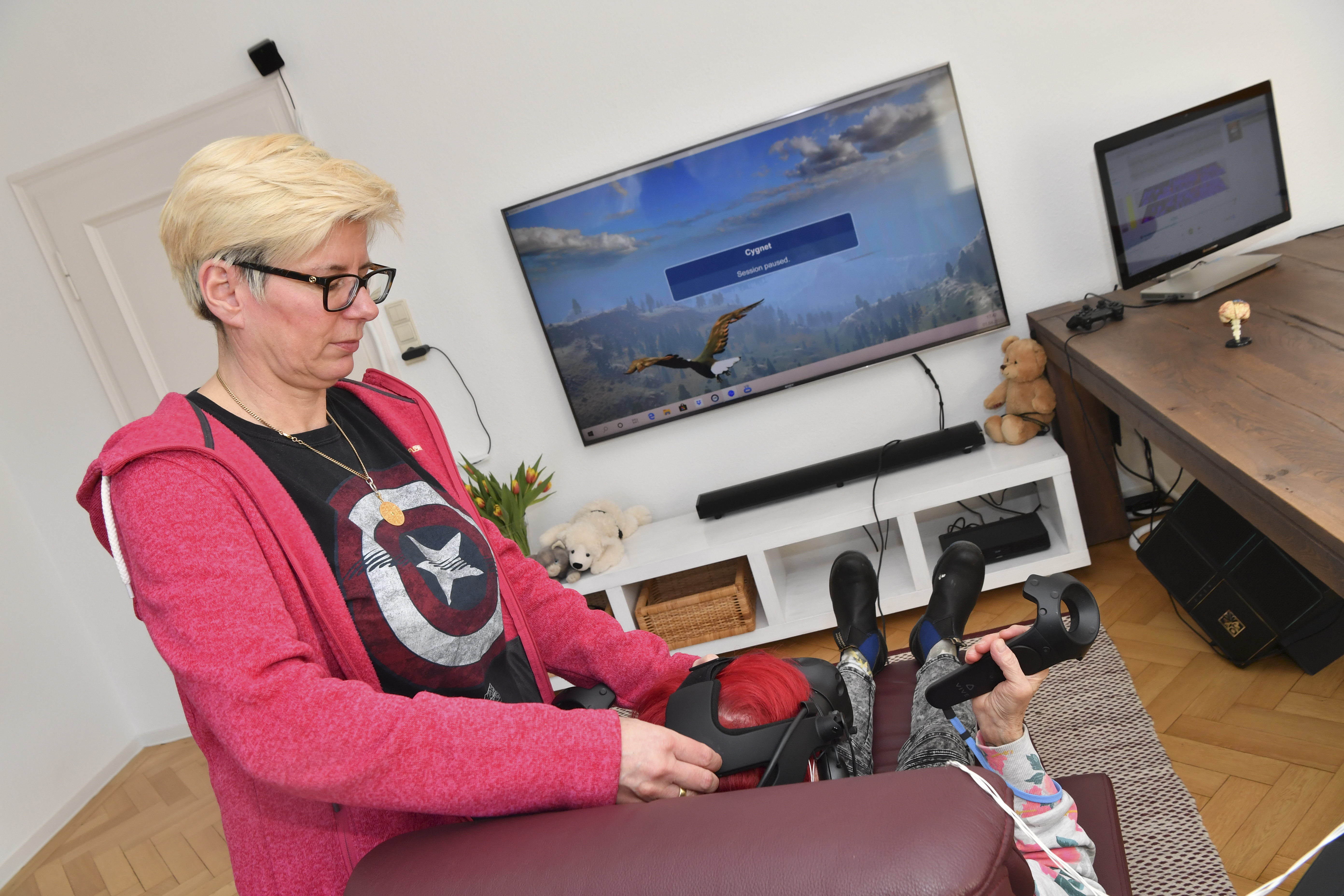
Virtual reality usually refers to computer-generated environments. What makes them so special is their interactivity. The user can navigate through the virtual world with the movements he or she makes in the real world. Virtual reality is created through VR glasses with an integrated screen. Unlike 3D glasses, which only allow certain animations to be perceived more vividly through special filters, VR glasses allow the user to "enter" a virtual world that opens up right before his or her eyes and with which he or she can interact.
If you lift your head, for example, the image section changes, just as it would in the real world. With additional controllers and sensors that detect movements and transfer them to the virtual environment, it is also possible to walk through the virtual world, climb stairs and even solve more complex tasks. VR is therefore often compared to a video game, except that you are not sitting in front of a screen and controlling a character via controllers, rather you ARE this character. Application areas for VR therefore open up in all areas that concern the simulation of experiences in protected spaces. For example, VR is already used for flight simulation training for pilots, for visualizations in medicine or for virtual training. Therapeutic use is also the subject of numerous studies, mostly under the term "virtual rehabilitation".
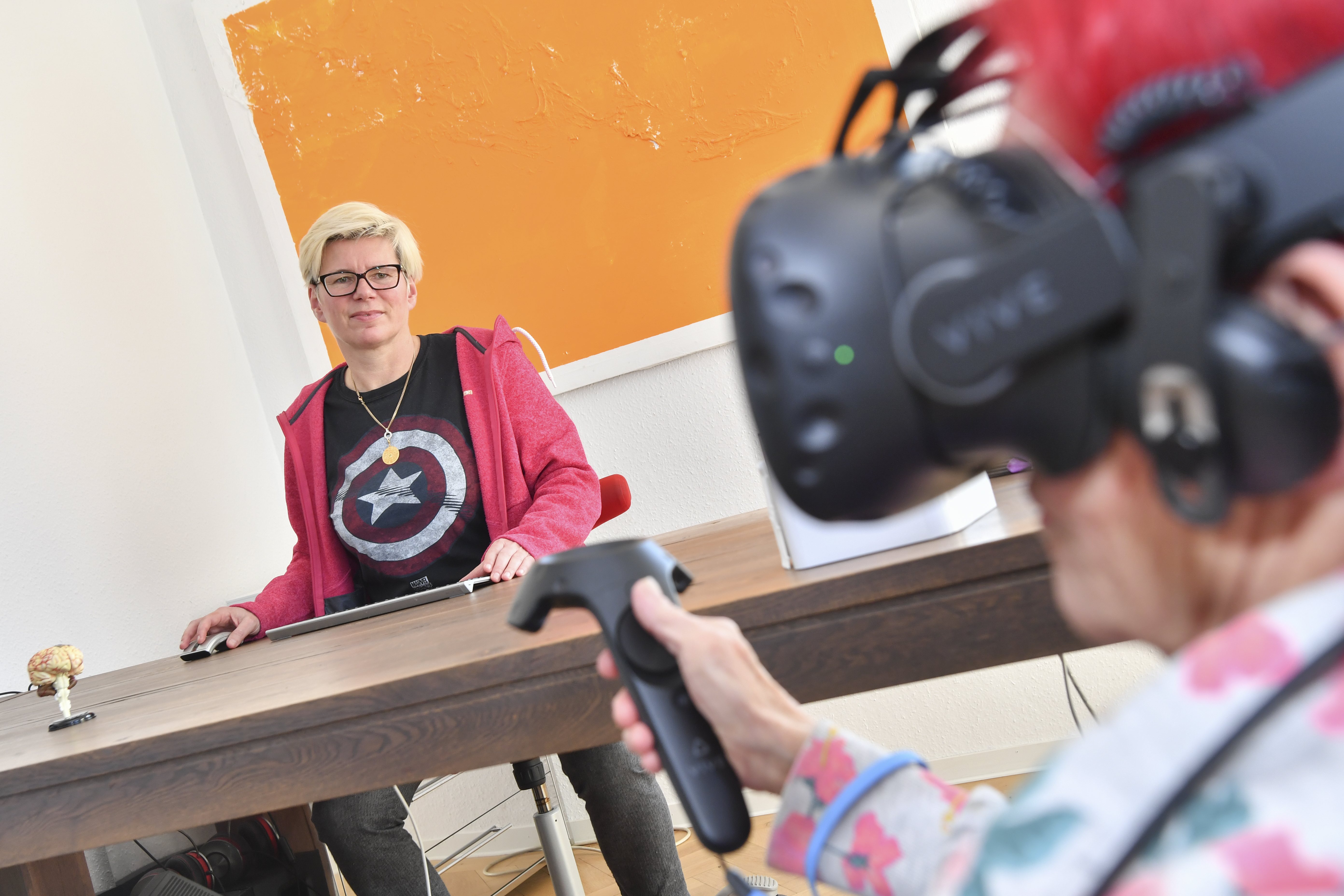
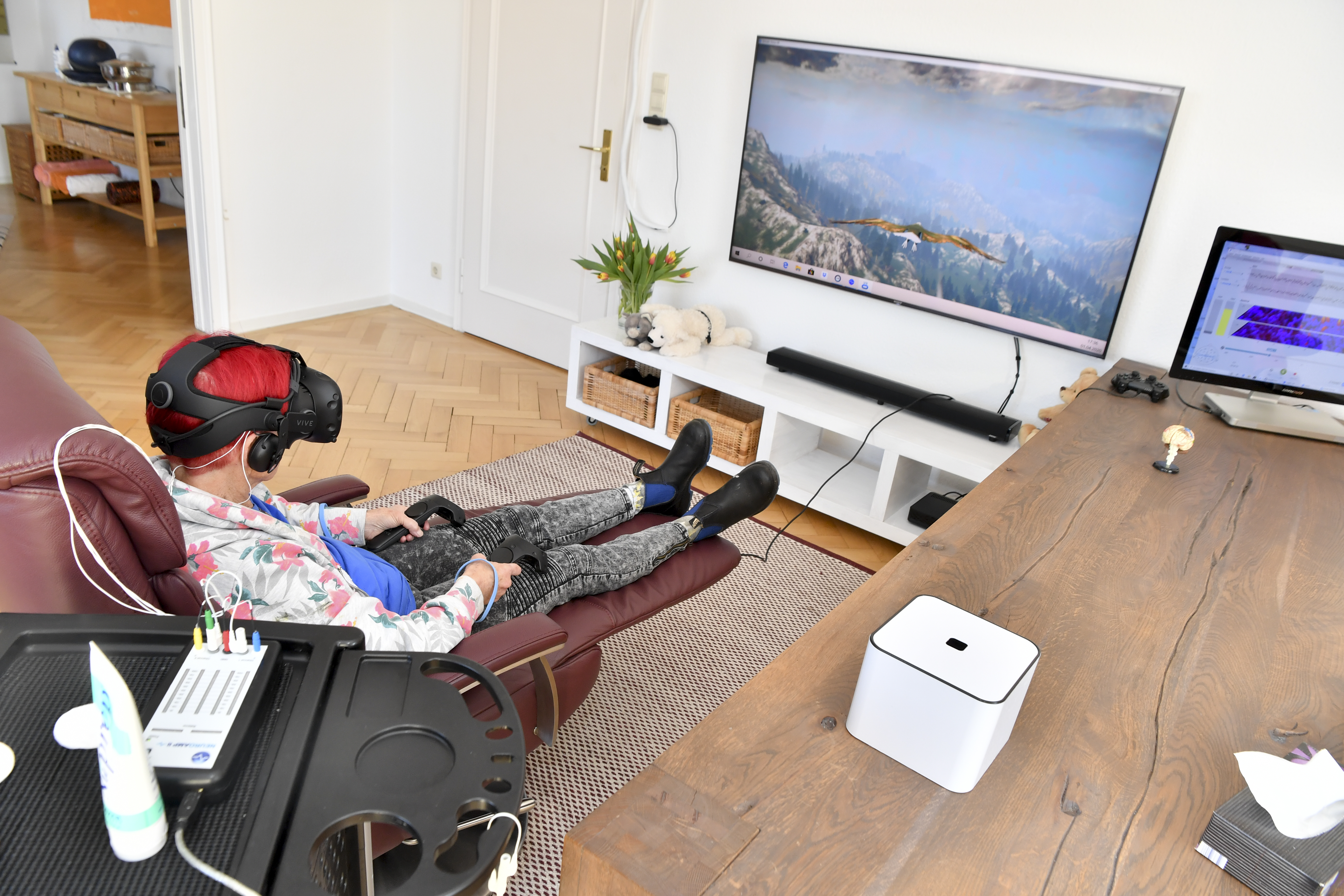
Feedback animations in Neurofeedback - more than just video games
Feedback animations play a central role in neurofeedback. They visualize what is to be reflected back to the brain.
The first neurofeedback animations were very simple. Mostly they were bars that changed their height depending on the EEG frequency. And even today - more than 30 years later - very simple animations are still common in some procedures, where for example objects simply move up and down.
However, the technical possibilities are far greater. Feedback games such as InnerTube© or Tropical Heat© make it possible to experience animations similar to a video game. With ILF neurofeedback, up to 14 parameters are sometimes hidden in an animation - from color nuances that change subtly to the speed and movement of objects in the foreground and background to the brightness. In addition, the Cygnet neurofeedback software offers a particularly wide range of different animations, which allows an individual adaptation to the patient. This promotes motivation and anticipation of the neurofeedback sessions, the therapy is diverse and, last but not least, patients can actively participate in therapy decisions.
But not only the optics of the games and their graphic implementation have changed. Neurofeedback with images and sound has become established over time. By adding tactile feedback, for example the Brummi©, which passes on vibrations, the three senses of sight, hearing and touch, are already included in feedback processing. VR now goes beyond this and enables three-dimensional feedback.
VR in Neurofeedback research
Already at the beginning of the 2000s, first studies showed that three-dimensional neurofeedback animations can lead to an improved therapy result and also to a higher patient motivation. The following thesis applies: the more modalities are addressed by the feedback animation, the more effective the neurofeedback intervention can be (Othmer & Kaiser, 2000).
Thus, the type of feedback has an impact on the quality and outcomes of therapy. For example, studies have also shown that feedback animations in the form of a video game lead to more effective outcomes than audio-visual content alone (Hafeez et al., 2019). Studies using VR neurofeedback indicate greater learning success as well as greater success in improving inattention and impulsivity than two-dimensional neurofeedback procedures (Berger & Davelaar, 2018; Cho et al., 2004). Not only attention, but also relaxation was successfully trained with VR neurofeedback (Gu & Frasson, 2017).
VR neurofeedback can therefore increase patients' motivation, interest, and also their sense of control during therapy. Of course, this is only possible if patients have a confident and open-minded attitude towards this technology (Kober et al., 2016).
The use of virtual reality in a therapeutic setting can therefore be helpful, especially to facilitate the transfer of learned skills from the therapeutic situation to everyday life (Blume et al., 2017; Hudak et al., 2017). While this is not the focus of neurofeedback, as self-regulatory skills training strengthens personal resources across situations, it can be beneficial for patients' self-efficacy to try out acquired skills in virtual realities accompanied by therapy. This is especially true for patients with anxiety disorders and phobias. Here, for example, a step-by-step approach with the fear-inducing stimulus can take place in virtual reality; or also in post-traumatic stress disorders. It can also be useful for ADHD, for example, to be able to work specifically with situations from the problematic learning environment in therapy.
ILF VR Neurofeedback for chronic pain
A recently published case study in which a 55 year old female patient with chronic pain was treated with VR ILF neurofeedback is currently receiving special attention. After 20 sessions of ILF VR neurofeedback, she reported a 40% improvement in her pain. The patient's rating of subjective pain decreased even further over time during therapy and in follow-up surveys. One year after completion of therapy, the patient reported an 80% improvement in pain perception. Similarly, she reported improvements in general well-being and coping with activities of daily living. In addition, symptoms of depression and anxiety as well as sleep quality improved (Orakpo, Vieux & Castro-Nuñez, 2021) .
VR in Neurofeedback Practice
VR ILF neurofeedback is a very promising approach. Depending on the individual aspects of the patient, preferences, needs and of course therapy goals and symptom elevation, it can be a very interesting additional option for patients.
Many people still associate VR goggles as something that is only suitable for technical enthusiasts. But the application is simple. And with our neurofeedback systems one can easily get started with this exciting technology. The Cygnet Neurofeedback Software already has a VR module with great animations for VR. And also the use in exposure therapy or the transfer of learning into everyday life, where especially the combination with neurofeedback opens up opportunities, is spreading more and more.
References
Berger, A.M. & Davelaar, E.J. (2018). Frontal alpha oscillations and attentional control: A virtual reality neurofeedback study. Neuroscience,378, 189–197.
Blume, F., Hudak, J., Dresler, T., Ehlis, A.-C., Kühnhausen, J., Renner T. & Gawrilow C. (2017). NIRS-based neurofeedback training in a virtual reality classroom for children with attention-deficit/hyperactivity disorder: Study protocol for a randomized controlled trial. Trials,18 (1), 41.
Cho, B. H., Kim, S., Shin, D. I., Lee, J. H., Min Lee, S., Young Kim, I., & Kim, S. I. (2004). Neurofeedback training with virtual reality for inattention and impulsiveness. Cyberpsychology & Behavior, 7(5), 519-526.
Gu, G. & Frausson, C. (2017). Virtual sophrologist: a virtual reality neurofeedback relaxation training system. In International Conference on Brain Function Assessment in Learning (pp. 176-185). Springer.
Hafeez, Y., Ali, S. S. A., Mumtaz, W., Moinuddin, M., Adil, S. H., Al-Saggaf, U. M., ... & Malik, A. S. (2019). Investigating Neurofeedback Protocols for Stress Mitigation: A Comparative Analysis of Different Stimulus Contents. IEEE Access, 7, 141021-141035.
Kober, S. E., Reichert, J. L., Schweiger, D., Neuper, C., & Wood, G. (2016). Effects of a 3D virtual reality neurofeedback scenario on user experience and performance in stroke patients. In International Conference on Games and Learning Alliance (pp. 83-94). Springer.
Hudak, J., Blume, F., Dresler, T., Haeussinger, F. B., Renner, T. J., Fallgatter, A. J.,... & Ehlis, A. C. (2017). Near-infrared spectroscopy-based frontal lobe neurofeedback integrated in virtual reality modulates brain and behavior in highly impulsive adults. Frontiers in human neuroscience, 11, 425.
Orakpo, N., Vieux, U. & Castro-Nuñez, C. (2021). Case Report : Virtual Reality Neurofeedback Therapy as a Novel Modality for Sustained Analgesia in Centralized Pain Syndromes. Frontiers in Psychiatry, 12, 3-7.
Othmer, S. & Kaiser, D. (2000). Implementation of Virtual Reality in EEG Biofeedback. Cyberpsychology and Behaviour, 3 (3), 415-420.
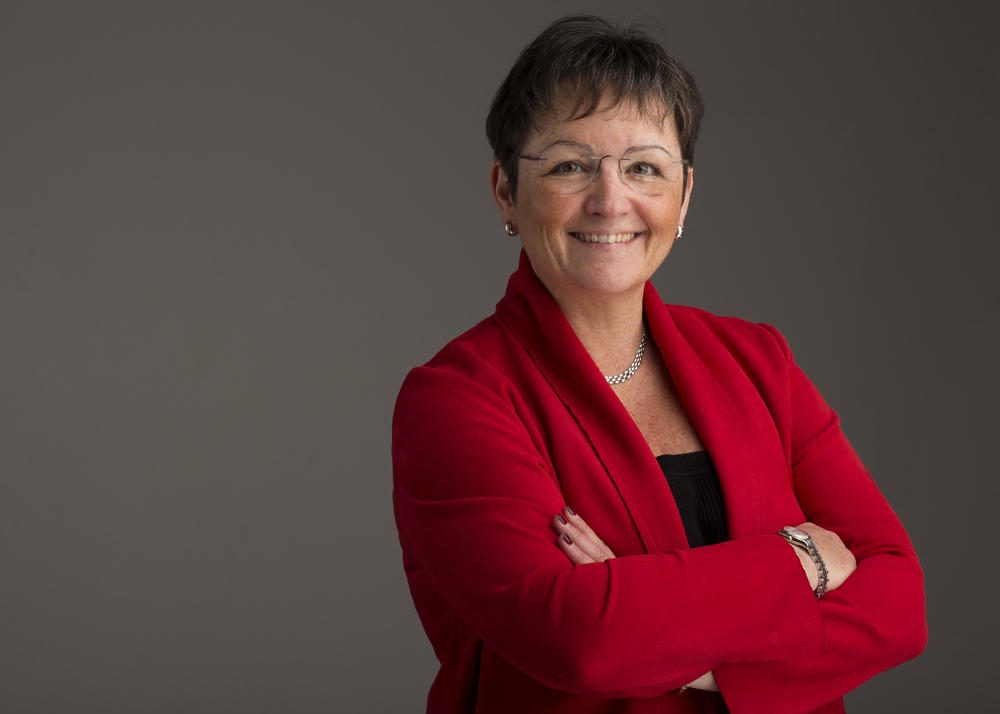
Dr. Dawn Harris
Profile
Dr. Dawn Harris is a Consultant Forensic and Clinical Psychologist, an Associate Fellow of the British Psychological Society, and an Accredited Psychotherapist. She has worked in both the public and private sectors for over 20 years where she gained extensive experience of working with people who have experienced trauma. She previously owned and worked as a clinical lead in a private psychiatric hospital that specialised in working with people with a history of complex trauma, and has designed trauma informed rehabilitative interventions for forensic settings.
She developed and delivers BPS (British Psychological Society) accredited training to organisations with the aim of creating trauma informed and responsive cultures. Dawn is trained in a variety of psychotherapies and is a trainer in CRM (comprehensive resource model).
She started working with neurofeedback in 2019 and has found it to be an incredibly important addition to her practice. She currently has her own practice where she specialises in working with people who have experienced trauma, including those with complex presentations and dissociative disorders.
Experience with neurofeedback
- works with Neurofeedback since 2019
Course portfolio
- Neurofeedback Basic Course
- Neurofeedback Information Days
Languages
- English
"If someone had told me a year ago that my son Andreas would one day become a bookworm, I would have shaken my head in disbelief."
The article appeared in the "VdK Zeitung" on 06 May 2021. With over two million members, the VdK Deutschland e.V. is the largest and fastest growing independent social association in Germany. With 1.7 million copies per issue, the "VdK Zeitung" is the highest-circulation member magazine in Germany.
You can read the full article in German on the VdK website
The article briefly discusses how neurofeedback works and how it can be used for dementia, migraine, tinnitus, ADHD and autism.
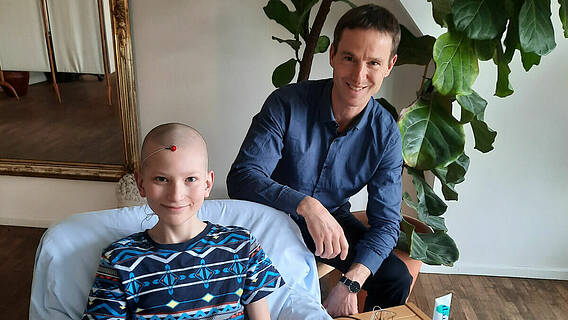
"If someone had told me a year ago that my son Andreas would become a bookworm, I would have shaken my head in disbelief," says Susanne Lenz* from the Munich. The 13-year-old has a reading and spelling disorder. "Andreas is dyslexic. He has difficulties in quickly grasping the words of a text correctly. His brain builds in mistakes somewhere," Susanne Lenz explains. Before the boy started with neurofeedback training a year ago, reading caused him great problems. Today, the mother experiences her son as a real avid reader.
Thanks to computer-assisted neurofeedback therapy, Andreas who is autistic is making progress not only in reading, but also in his social life. "I observe that he has become more open towards people," says the mother.