
Neurofeedback in physiotherapy: Bridging the gap between brain and body
In September 2025, the journal *pt – Zeitschrift für Physiotherapeuten* published an interview with Charlotte Wolf, physiotherapist, naturopath, and certified user of ILF Neurofeedback with BEE Medic devices. In the interview, she discusses how Neurofeedback can be meaningfully integrated into physiotherapy and the potential it offers for both patients and practitioners. In this blog post, we share the most important takeaways from the interview.
What is Neurofeedback?
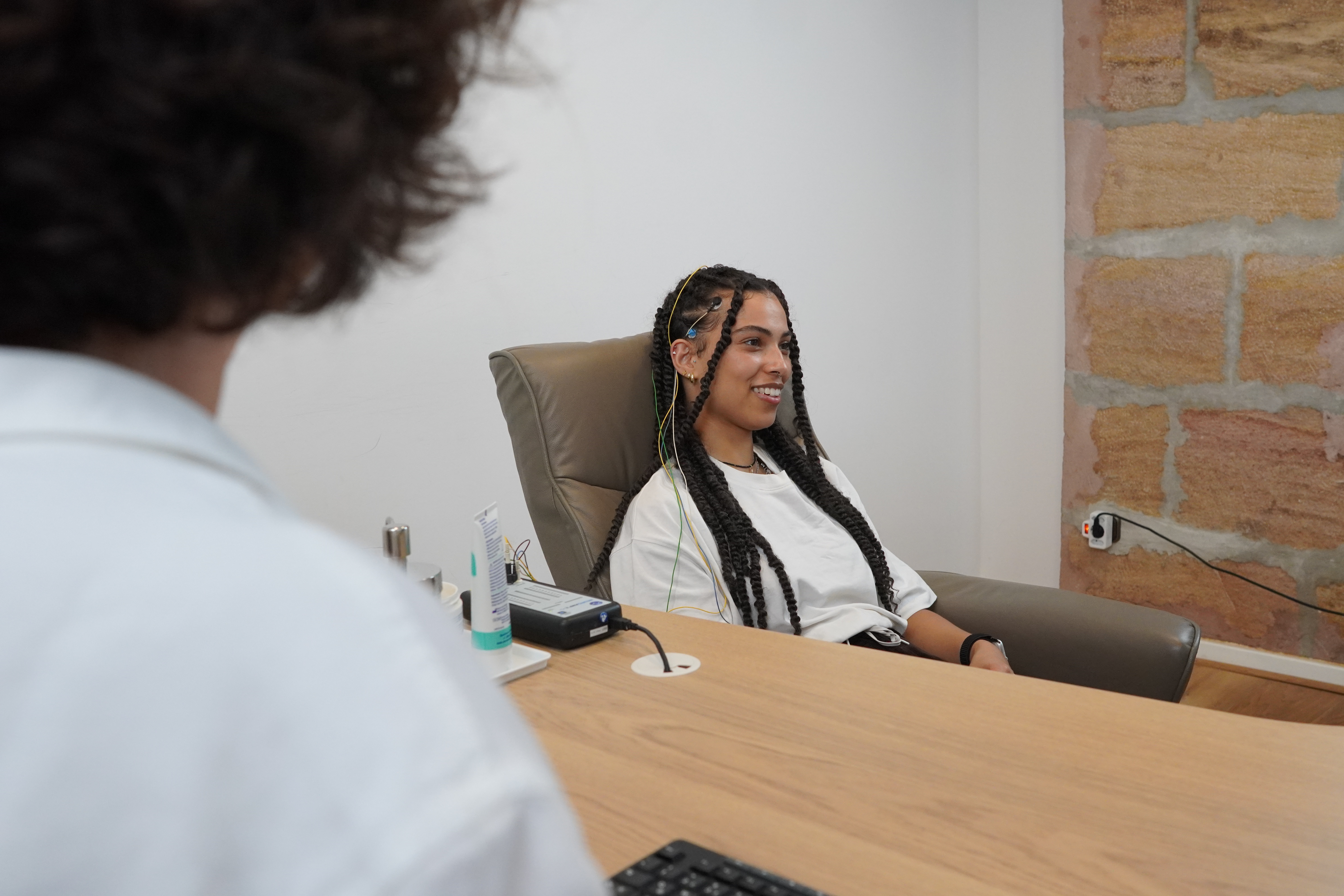
Neurofeedback is a scientifically established form of brain training. It measures brain activity through electrodes and provides real-time feedback via subtle visual and auditory changes within a film, game, or animation. The brain starts to interact with the system and learns through the feedback to change its own activity. This process enhances self-regulation, which in turn can improve focus, stress tolerance, sleep quality, pain perception, and many other aspects of daily functioning as well as medical indications.
When traditional physiotherapy reaches its limits
Manual and movement-based therapies are powerful tools but sometimes they are not enough on their own to achieve lasting relief from pain, tension, or neurological symptoms. Often, the underlying cause lies deeper, within the brain itself. That’s where Neurofeedback comes in. By training the brain’s ability to self-regulate, it supports and strengthens the physical work done in physiotherapy.
Why Neurofeedback and Physiotherapy are a powerful combination
In her daily practice, Charlotte Wolf observes the benefits first-hand:
“I use Neurofeedback as a supportive method when I notice that dysregulation in the brain is hindering progress or contributing to the symptoms.”
For patients dealing with muscle tension, migraines, chronic pain, or neurological conditions such as traumatic brain injury, stroke, Parkinson’s disease, CRPS (Morbus Sudeck), or fibromyalgia, the synergy between Neurofeedback and physiotherapy can make all the difference. While physiotherapy targets the body directly, Neurofeedback helps the central nervous system regain flexibility and balance — the foundation for sustainable physical change.
How the two methods work together
In Charlotte Wolf’s practice, Neurofeedback is incorporated in two main ways:
• As separate sessions during the week: one for physiotherapy, one for Neurofeedback.
• As a combined session: physical therapy followed by Neurofeedback (or vice versa), lasting about 90 minutes in total.
Patients often report improved relaxation, reduced pain, and heightened body awareness as a result.
Beyond therapy: Training for Peak Performance
Neurofeedback isn’t just for rehabilitation or symptom management. It’s also increasingly used in the field of performance optimization. Here, the focus shifts from treating dysfunction to enhancing mental clarity, concentration, and resilience under stress.
No Quick Fix – But Sustainable Change
Wolf emphasizes that Neurofeedback isn’t a substitute for other forms of therapy, nor is it a quick fix. It’s a learning process that requires time and consistency. The brain can’t simply be reprogrammed, it learns to regulate itself through repeated feedback and practice.
“Our brain isn’t a machine where you can just tighten a screw. But through regular training, it can find its way back to balance.”
Conclusion
Neurofeedback opens up a new dimension in physiotherapy. By extending physical treatment to include the neural level, it provides an effective approach for chronic and stress-related conditions, as well as for prevention and performance enhancement. For many patients, this combination paves the way toward greater well-being, functionality, and mental strength.