Neurofeedback and QEEG Diagnostics in Autism Spectrum Disorder
Course description
This course introduces evidence-based methodologies for the application of Infra-Low Frequency (ILF) Neurofeedback in the support of clients coping with Autism Spectrum Disorder (ASD). It integrates a comprehensive understanding of the neurobiological and neurophysiological underpinnings of ASD with established neurofeedback protocols to offer a synergistic approach. Key topics covered include functional brain dysregulation, functional brain diagnostics, psychophysiological assessment, and the development of personalized neurofeedback strategies.
Case studies and case reports as well as findings from current projects have helped build valuable clinical experience that will be brought to you to facilitate the integration of neurofeedback among the most effective approaches for autism spectrum disorder.
The course is taught by experienced clinicians with extensive experience in ILF neurofeedback and brain function analysis and QEEG diagnosis
Essential teaching content
- Genesis and epidemiology of Autism Spectrum Disorder (ASD)
- Causes of ASD
- Neurobiology and Neuroanatomy
- Neurophysiological basis
- Functional brain dysregulation
- Neuropsychology of ASD
- QEEG and it’s usability in the Neurofeedback setting
- QEEG in differential diagnostics of ASD
- QEEG Pre and post assessments
- Cognitive functions in ASD
- Functional Brain markers in ASD
After the course you can
- Use neurofeedback effectively on patients on the autism spectrum
- Easier recognise symptoms of ASD in patients
- Use specific neurofeedback protocols and individualize them based on patients specific needs to ensure optimal training outcomes
- Assess training effects in session and from session to session to allow fine-tuning of individual protocols for best clinical outcomes
- Get to know the diagnostic approach of QEEG and brain function analysis
- Learn the usability of QEEG inside the Neurofeedback setting
Course highlights
- Perfect follow-up course after a Basic Course with training providers accredited by BEE Medic
- Deepen and build up Neurofeedback expertise and get insights in diagnostic approach of functional brain biomarkers and QEEG
- Course is recognised as part of the OMC Certification
Online
Period of time
26.09.2025 – 27.09.2025
26.09.2025 09:00 – 18:00
27.09.2025 09:00 – 17:30
Local time: Europe/Berlin
Your selected time zone
Price
690 EUR / 740 CHF / 640 GBPIncluded in the price
- Course manual of all presentations and worksheets as PDF file for download
- Certificate
More Information
Requirements for participation:
- completed Basic Course (onsite or online) and first hands-on Neurofeedback experience
Good to know:
- You do not need Neurofeedback-Equipment during the course.
- You may take this online course on your own.
Please register by 12.09.2025
Language
- English
Lecturer
Organizer
For EU:
BEE Medic GmbH
Max-Porzig-Str. 1, 78224 Singen, Germany
For CH, UK and other non-EU countries:
BEE Medic GmbH, Switzerland
BEE Systems Ltd. UK
- courses@beemedic.com
- Phone: +49 7731 96969-70
- Phone: +41 71 9314020
- Phone: +44 1702 8200 06
register*
Print course description
*By clicking on "register" you will be forwarded directly to the organizer of the course for booking. The organizer is also responsible for course organisation and invoicing.
Neurofeedback and QEEG Diagnostics in Autism Spectrum Disorder
Course description
This course introduces evidence-based methodologies for the application of Infra-Low Frequency (ILF) Neurofeedback in the support of clients coping with Autism Spectrum Disorder (ASD). It integrates a comprehensive understanding of the neurobiological and neurophysiological underpinnings of ASD with established neurofeedback protocols to offer a synergistic approach. Key topics covered include functional brain dysregulation, functional brain diagnostics, psychophysiological assessment, and the development of personalized neurofeedback strategies.
Case studies and case reports as well as findings from current projects have helped build valuable clinical experience that will be brought to you to facilitate the integration of neurofeedback among the most effective approaches for autism spectrum disorder.
The course is taught by experienced clinicians with extensive experience in ILF neurofeedback and brain function analysis and QEEG diagnosis
Essential teaching content
- Genesis and epidemiology of Autism Spectrum Disorder (ASD)
- Causes of ASD
- Neurobiology and Neuroanatomy
- Neurophysiological basis
- Functional brain dysregulation
- Neuropsychology of ASD
- QEEG and it’s usability in the Neurofeedback setting
- QEEG in differential diagnostics of ASD
- QEEG Pre and post assessments
- Cognitive functions in ASD
- Functional Brain markers in ASD
After the course you can
- Use neurofeedback effectively on patients on the autism spectrum
- Easier recognise symptoms of ASD in patients
- Use specific neurofeedback protocols and individualize them based on patients specific needs to ensure optimal training outcomes
- Assess training effects in session and from session to session to allow fine-tuning of individual protocols for best clinical outcomes
- Get to know the diagnostic approach of QEEG and brain function analysis
- Learn the usability of QEEG inside the Neurofeedback setting
Course highlights
- Perfect follow-up course after a Basic Course with training providers accredited by BEE Medic
- Deepen and build up Neurofeedback expertise and get insights in diagnostic approach of functional brain biomarkers and QEEG
- Course is recognised as part of the OMC Certification
Online
Period of time
26.10.2024 – 27.10.2024
26.10.2024 09:00 – 18:00
27.10.2024 09:00 – 17:30
Local time: Europe/Berlin
Your selected time zone
Price
690 EUR / 740 CHF / 640 GBPIncluded in the price
- Course manual of all presentations and worksheets as PDF file for download
- Certificate
More Information
Requirements for participation:
- completed Basic Course (onsite or online) and first hands-on Neurofeedback experience
Good to know:
- You do not need Neurofeedback-Equipment during the course.
- You may take this online course on your own.
Please register by 10.10.2024
Language
- English
Lecturer
Organizer
For EU:
BEE Medic GmbH
Max-Porzig-Str. 1, 78224 Singen, Germany
For CH, UK and other non-EU countries:
BEE Medic GmbH, Switzerland
BEE Systems Ltd. UK
- courses@beemedic.com
- Phone: +49 7731 96969-70
- Phone: +41 71 9314020
- Phone: +44 1702 8200 06
register*
Print course description
*By clicking on "register" you will be forwarded directly to the organizer of the course for booking. The organizer is also responsible for course organisation and invoicing.
ACAN 2024 - A recap of the event
ACAN 2024 - It's a Wrap
The Annual Conference for Applied Neurofeedback 2024 is in the books. The second edition of the conference was once again a platform for knowledge sharing, learning and networking. On June 7 and 8, neurofeedback users from all over the world gathered in Bucharest, Romania, to learn about the latest scientific findings in the field of neurofeedback.
International experts presented exciting neurofeedback content on a variety of topics such as autism spectrum disorder, epilepsy, substance abuse, the latest research projects or the combination with biofeedback or biomarkers. In addition to presentations, ACAN also offered interactive discussion panels and hands-on workshops, such as the very popular Brain Mapping and EEG Recording workshop. Siegfried Othmer, the pioneer of ILF neurofeedback, rounded off the two days with exciting insights into the challenges of early childhood trauma.
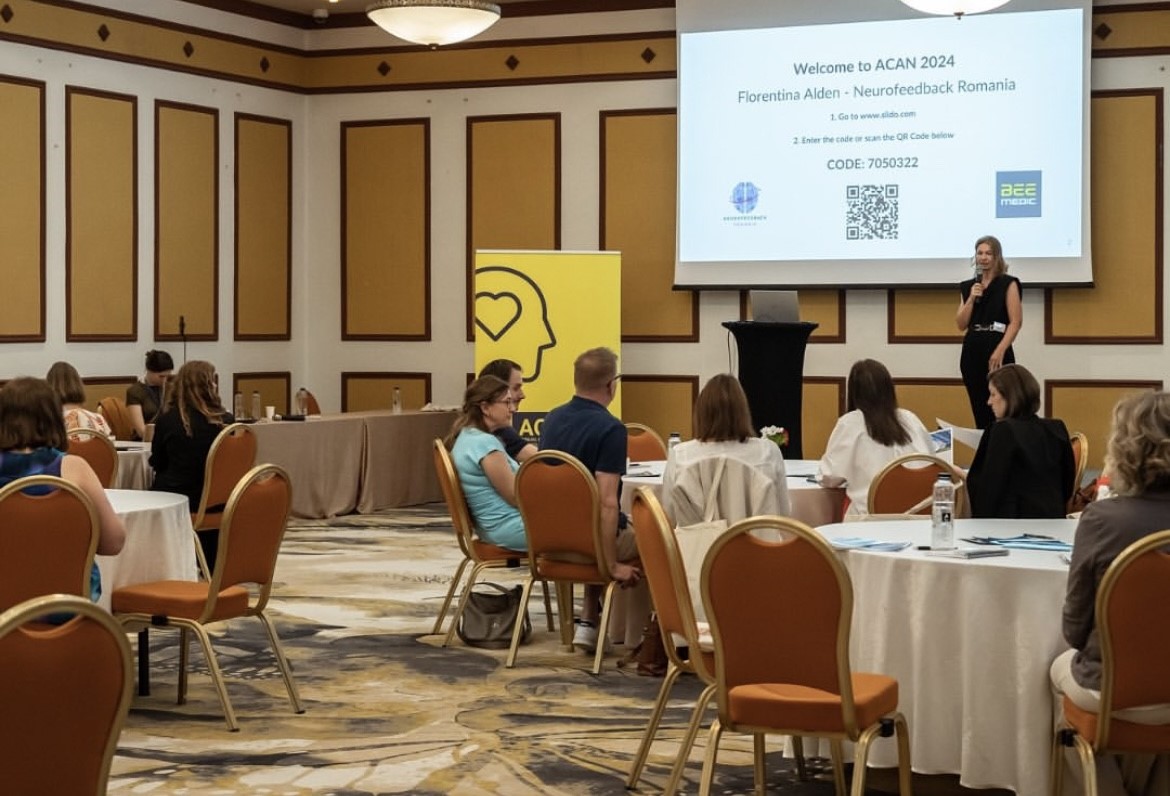
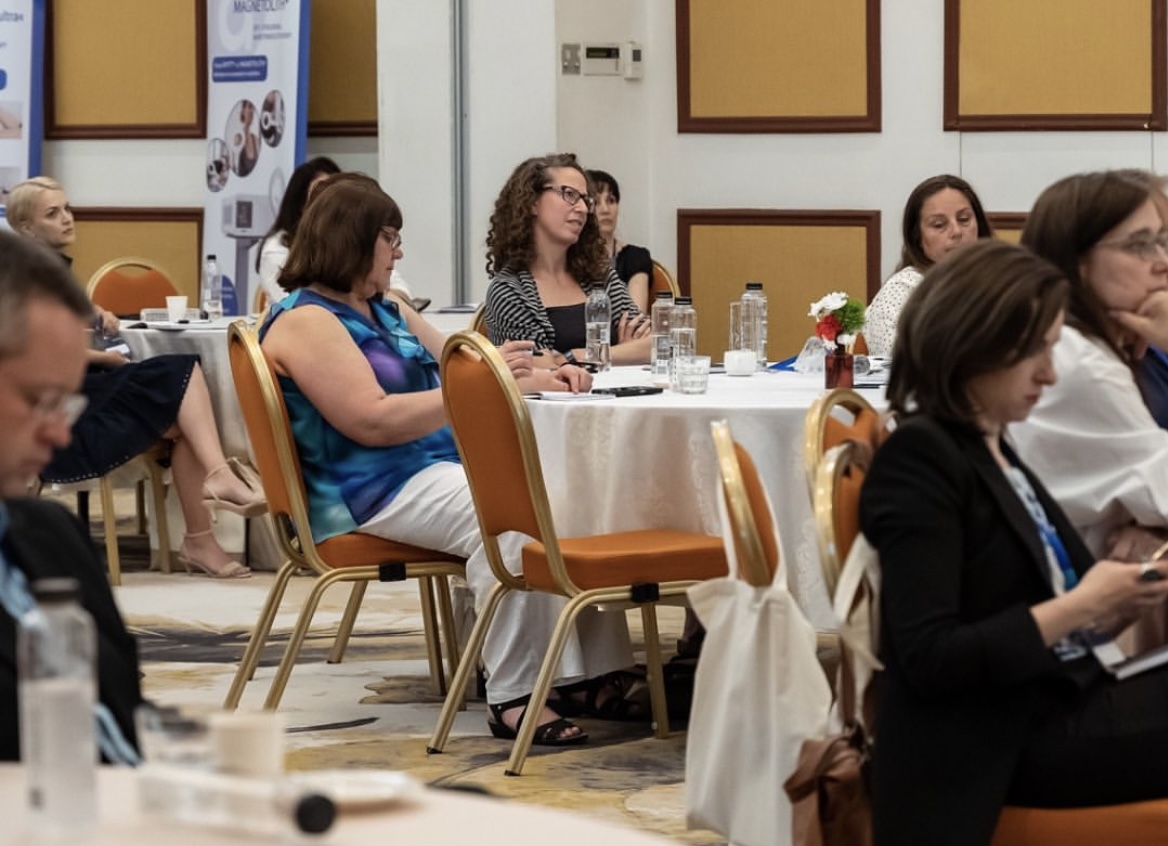
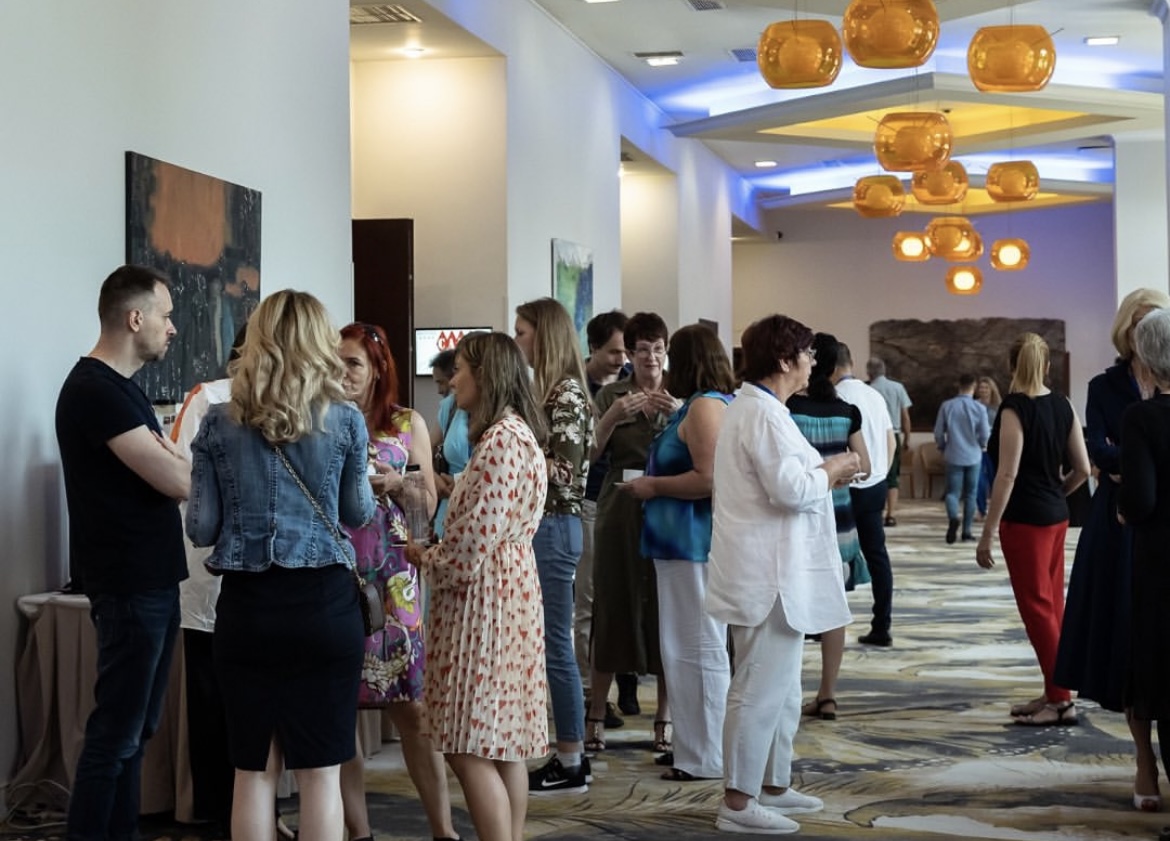
In addition to lectures, workshops and discussions, the conference also offered numerous networking opportunities. Neurofeedback users were able to share their experiences and network with fellow practitioners. This year again showed how important and valuable the exchange between colleagues is. "It is just fantastic to see how the community is growing, how all the people are so enthusiastic about what they are doing," said Meike Wiedemann, speaker at the conference. "I really enjoyed being part of this community, which is driven by a real purpose - everyone shares the passion to improve global mental health care," adds Johannes Spallek, Managing Director of BEE Medic Germany.
Next year's ACAN will take place in Tenerife and will once again provide a platform for knowledge exchange, innovation and collaboration in the field of neurofeedback.
Stay tuned!
All information can be found on the ACAN website.
Customer Stories: Therapeutic Partners, LLC
Meet Therapeutic Partners, LLC from Covington, LA!
Therapeutic Partners, LLC, is an outpatient behavioral health facility located in Covington, LA just north of New Orleans. They are owned and operated by clinicians who believe integrative care vastly improves patient outcomes, and who are committed to providing quality, comprehensive treatment. They offer progressive counseling interventions and a team-based approach to assist children and adults in achieving their highest possible level of functioning, thus improving the overall wellness of their community.
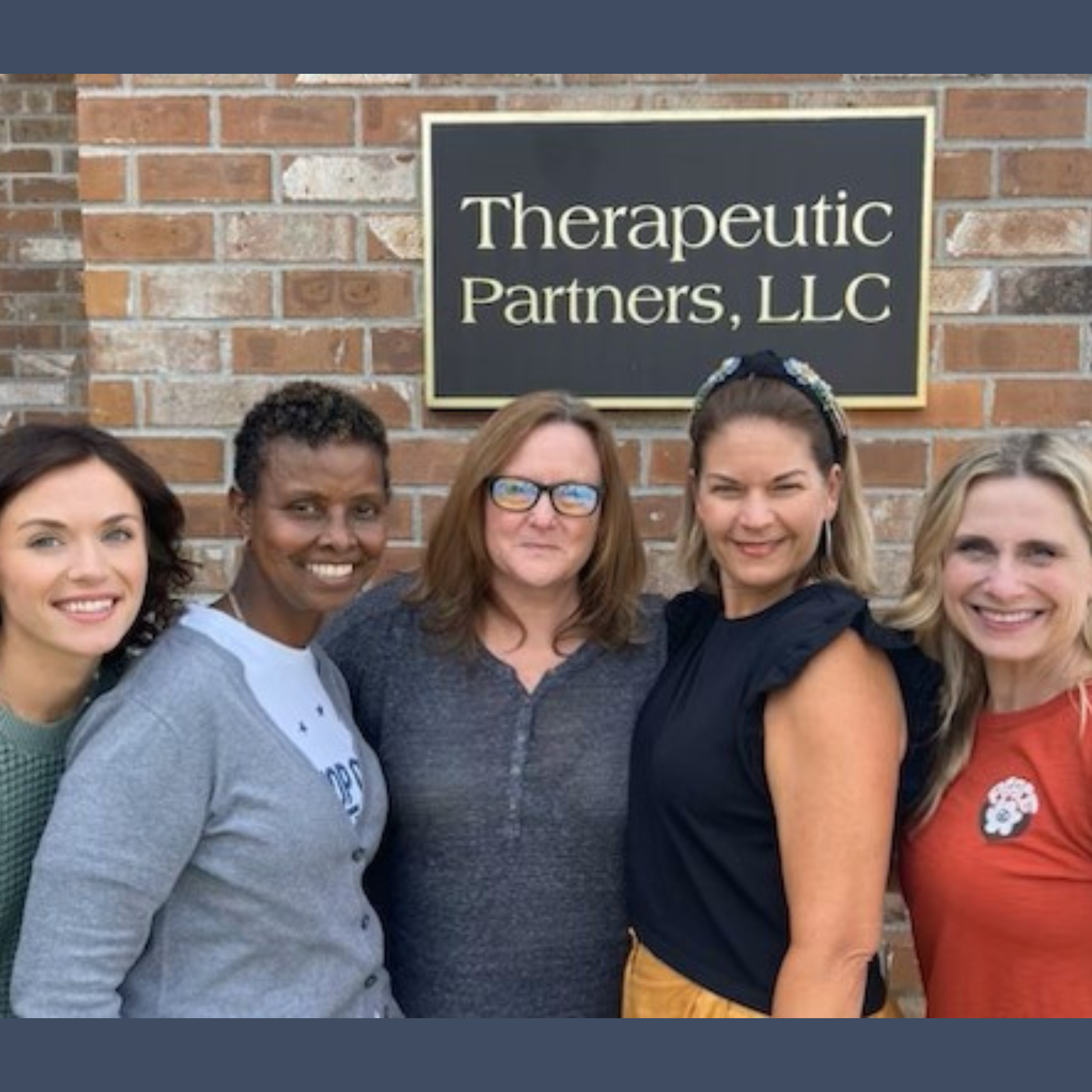
"We brought Neurofeedback to our clinic 5 years ago through the Neurofeedback Advocacy Project. Integrating BEE Medic’s neurofeedback systems into our clinic has been a game-changer for both our clients and clinicians. After 20 sessions, we’ve seen a 60% reduction in reported concerns, with clients experiencing transformative results.
One foster parent stated, 'Although he (client) did not want to participate in the beginning, we both have noticed some major changes. He has no problems at home, he has no anger and aggression, and he said to me, "I have never known happiness like this."' This is one of many positive reports from clients and parents.
BEE Medic’s Cygnet application is user-friendly, and their exceptional support makes them a true partner in our mission to improve lives."
Get In Touch
Phone: 985-327-5427
Email: admin@therapeuticpartners.net
Website: therapeuticpartners.net
*Results Tracking System: https://www.neurofeedbackadvocacyproject.com/results
Trauma Research Foundation - Neurofeedback Info Session #2
Join us for an online information session! Learn about the program and ask our faculty any questions you have.
After the info day
Learn more about the value and benefits of the program
The TRF Trauma-Informed Neurofeedback Training Program is a comprehensive and robust training in this field with exceptional features:
Free Equipment Loaners
TRF has collaborated with an equipment provider so that you can borrow equipment free of charge while you complete the Practicum for this course.
Affordable equipment rental and purchasing options will be made available once you are enrolled in the course.*
*Loaner equipment for US and Canadian participants are available during the scheduled practicums portion of the training. Other countries are on a case-by-case basis and may incur a fee for shipping and related charges.
Renowned Instructors
Course modules are taught by world-renowned, expert physicians in the field of neuromodulation. Case Study Group leaders and additional presenters are clinical professionals who have an abundance of experience working with neurofeedback and trauma.
BCIA Approved
This course is BCIA accredited. It meets the requirements of the BCIA blueprint and counts towards 36 BCIA didactic hours. It is also approved for 36 APA CE credits (attendance at all live Q&As is mandatory).
Resource Library
Receive exclusive access to an extensive library of resources to enhance learning. These resources include lectures by leaders such as Dr. Bessel van der Kolk, Dr. Ruth Lanius, and other experts.
Private Mentoring Session
Enrollees are offered an individual private mentoring session with Angelika or Mitch Sadar, 2020 recipients of the prestigious Joel F. Lubar Award which recognizes their contributions to the International Society for Neurofeedback and Research and the advancement of neurotherapy.
Continued Access to Training
Access to the didactic training course is granted for 12 months, enhancing learning.
Essential content
Didactic Training for Neurofeedback Certification
- Engage in 36 hours of pre-recorded course content approved for APA CEs.
- Assessment upon completion of all course modules
- Participate in 11 hours of live/virtual Community Meetings which include five 1-hour Q&A sessions, and three 2-hour practicum sessions where you are guided to use neurofeedback equipment remotely at your location
Expanded Case Study Group
After completing the didactic course and purchasing or renting their own equipment, students continue to Case Study Group (CSG) program which is facilitated by a leading trauma-specialized neurofeedback professional. The goal of the Case Study Group program is to provide the guidance needed to integrate neurofeedback into your clinical practice. The CSG consists of 10 two-hour meetings.
Online
Period of time
21.06.2024
Local time: America/New_York
Your selected time zone
Details
Our first session on Thursday, June 20, 2024, from 12-1 PM EDT is at capacity.
lease click the register link for information session #2 on Friday, June 21, 2024 from 12-1 PM EDT.
Organizer
Trauma Research Foundation
United States
Lecturer
Language
- English
More Information
How does the program work?
TRF’s comprehensive online Trauma-Informed Neurofeedback Training Program is offered semi-annually – Cohort A’s Session begins in the spring; and Cohort B’s Session begins in the Fall. The program includes a didactic component with asynchronous video sessions, and live/virtual Community Meetings, followed by a Case Study Group program. A month before the program begins, you will have access to course materials in order to begin the self-paced, pre-recorded training, which you will have access to for 12 months. From there, you move on to the second component of the program.
Throughout the course of the Trauma-Informed Neurofeedback Training Program, you will be building a portfolio to showcase your skills and expertise as you build them. This program is different from other Neurofeedback training programs, as our expert facilitators assess your progress along the way and provide individualized feedback on various activities and assessments.
register*
Print course description
*By clicking on "register" you will be forwarded directly to the respective organizer, where you can register for the Info day.
BCIA Case Study Group
Course description
After completing the BCIA approved Introduction to Neurofeedback; didactic training for Neurofeedback certification, students continue to the Case Study Group (CSG) program which is facilitated by a BCIA Certified neurofeedback mentor. The goal of the Case Study Group program is to provide the guidance needed to integrate neurofeedback into your clinical practice. The CSG consists of eight 2-hour meetings
Essential teaching content
- 2 channel training
- Understanding/ identifying artifacts
- Wide inhibits and down training vs. traditional inhibits
- Adapting protocols according to client response(s)
- Presenting and discussing individual cases
Presentation and discussions of individual cases. In the ensuing weeks, students will report responses to training and discuss and implement protocol changes.
Location
United States - Sadar Psychological & Sports Center1288 Valley Forge Rd
19460 Phoenixville
United States
Period of time
14.05.2024 – 20.05.2024
Local time: America/New_York
Your selected time zone
Details
Tuesday 12:00pm – 2:00pm
Price
$640.00If you attend all 6 sessions, you will be eligible for 10 case study presentations which are full detailed patient/client stories from intake and protocol selection/adjustment, through discharge. These cases may be presented to you by your mentor, or they may be a client you have not yet reviewed with your mentor. Per BCIA, this is the only mentoring that can be done in an online group setting and count towards certification. BCIA requires 10 case study presentations which are full detailed patient/client stories from intake and protocol selection/adjustment, through discharge. These cases may be presented to you by your mentor, or they may be a client you have not yet reviewed with your mentor. Candidates may use up to 5 BCIA Neurofeedback Mentoring webinars which will complete 5 contact hours and 10 case studies.
Satisfactory completion of the Case Study Group will qualify for 10 case studies, plus 1 hour of individual mentoring.
Language
- English
Lecturer
Organizer
Sadar Psychological & Sports Center
1288 Valley Forge Rd, Phoenixville, PA 19460
register*
Print course description
*By clicking on "register" you will be forwarded directly to the organizer of the course for booking. The organizer is also responsible for course organisation and invoicing.